iSayFlickAdmin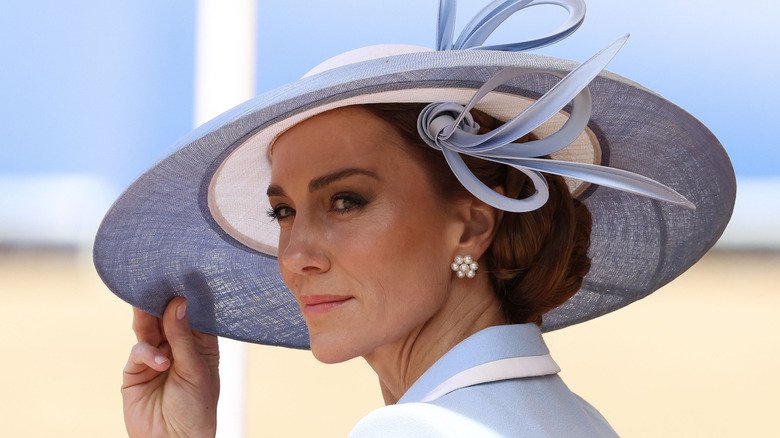
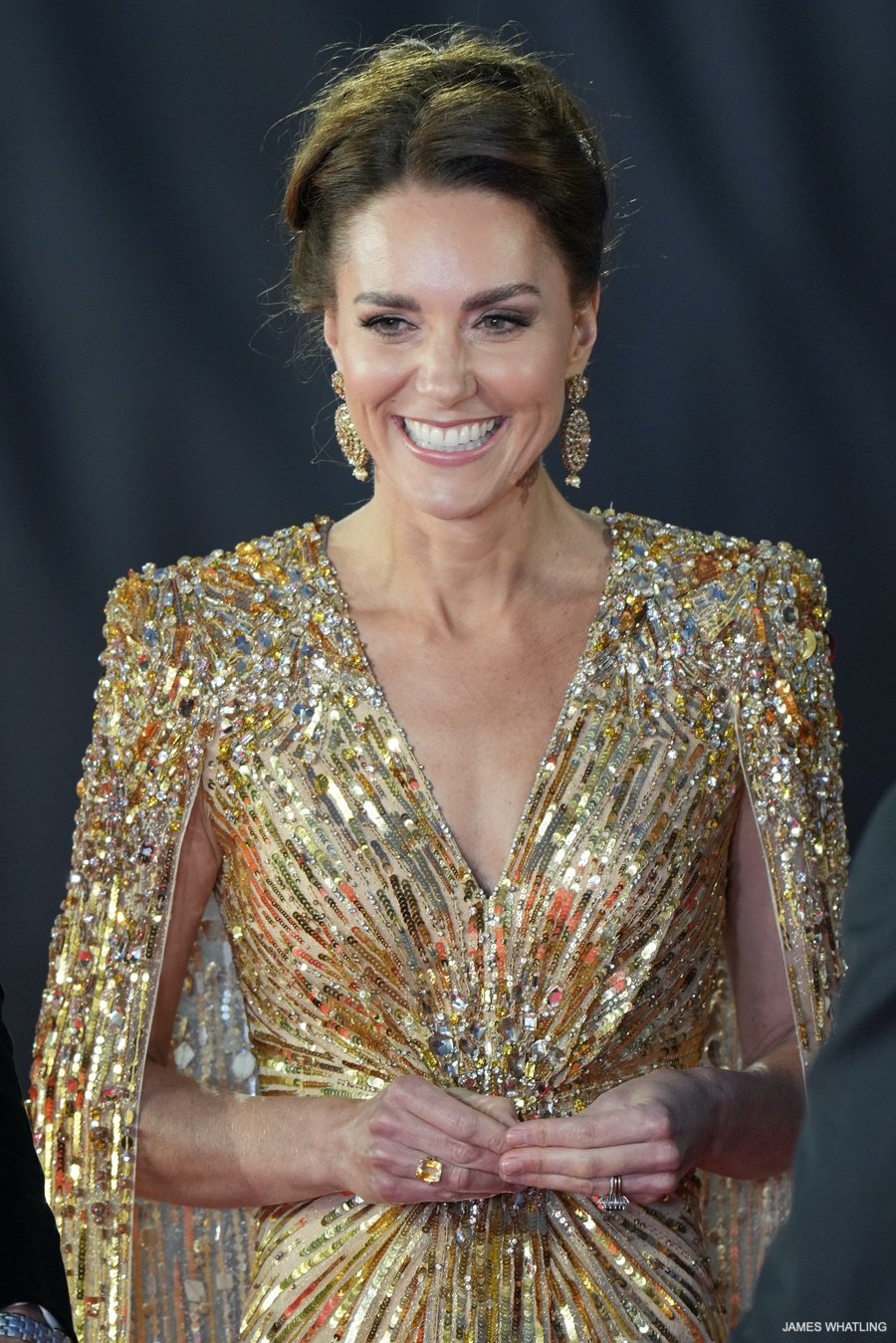
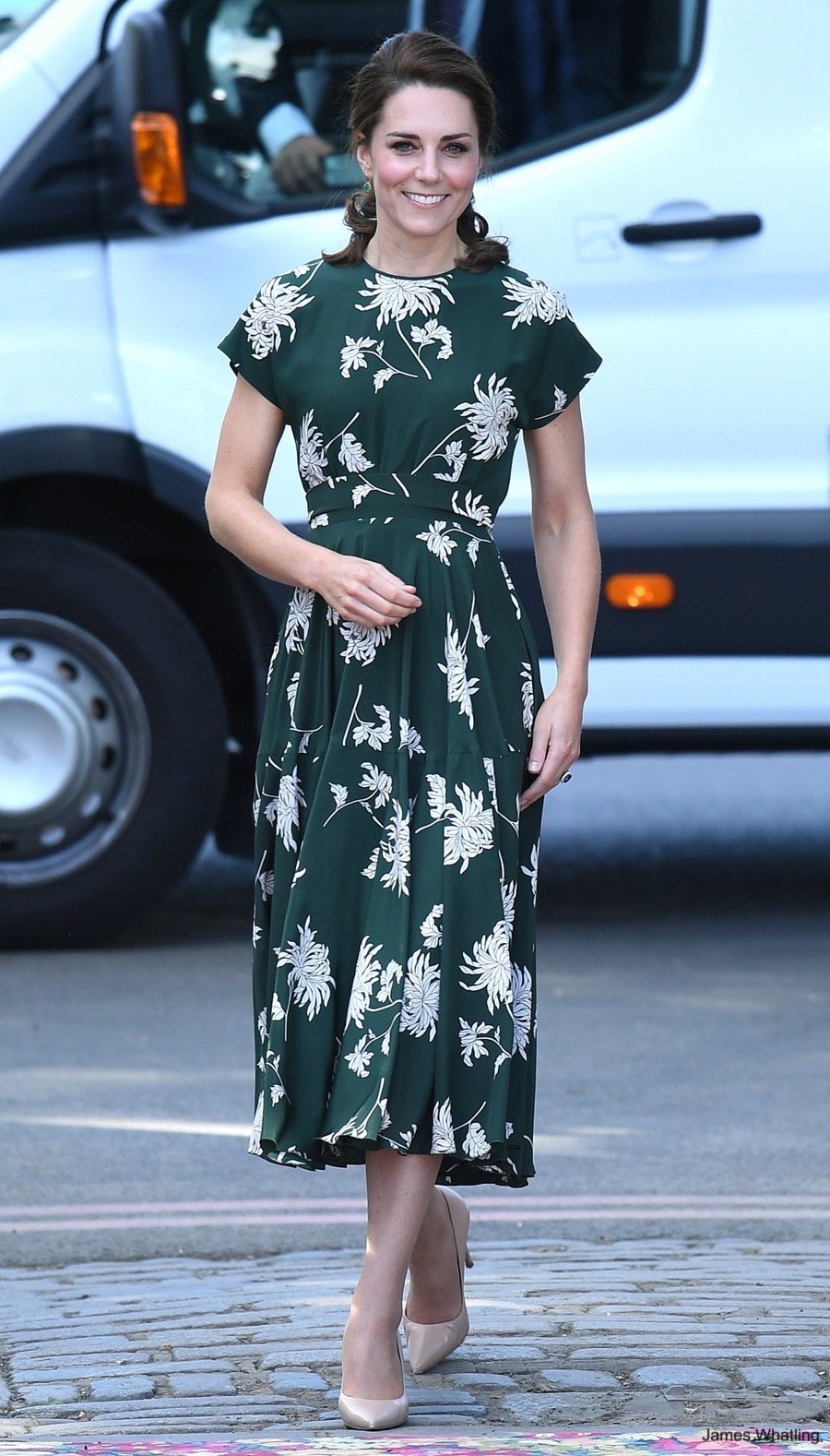
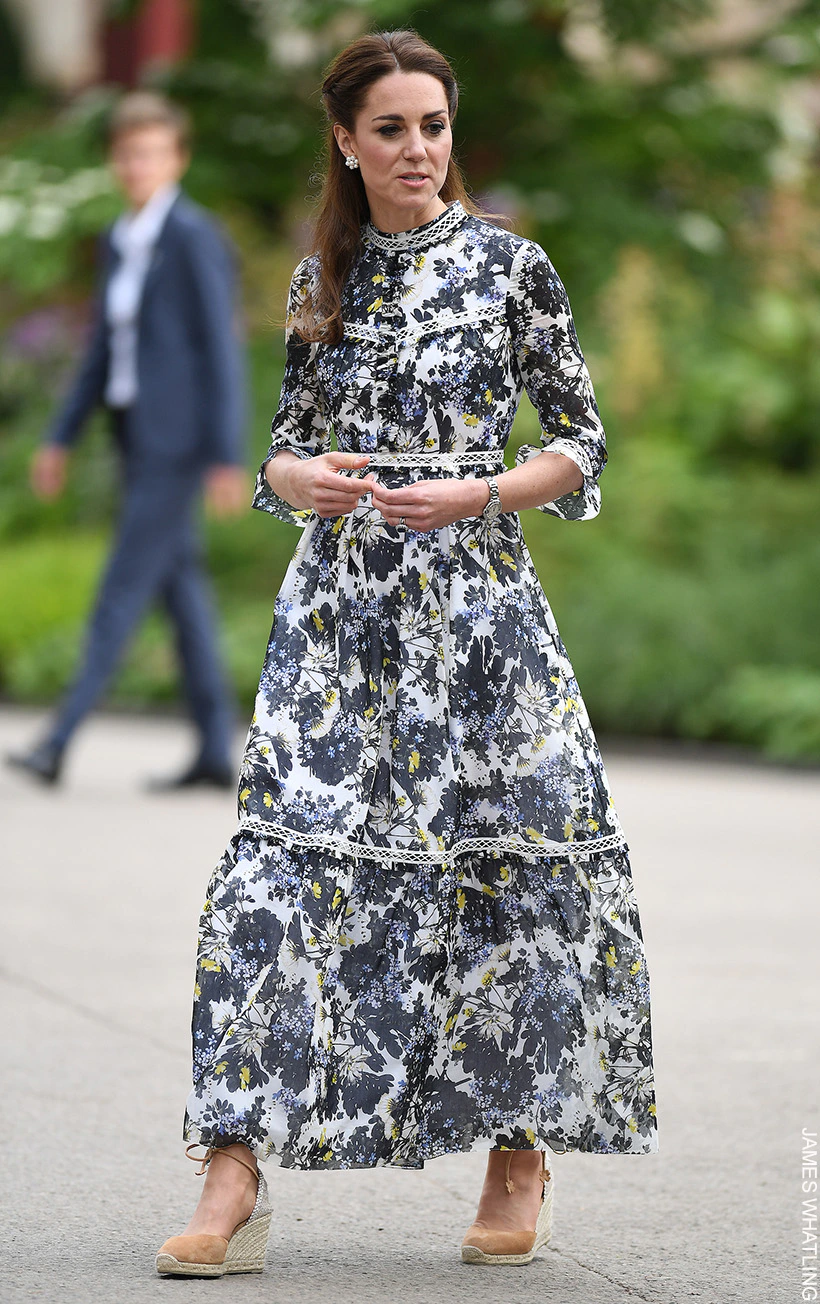
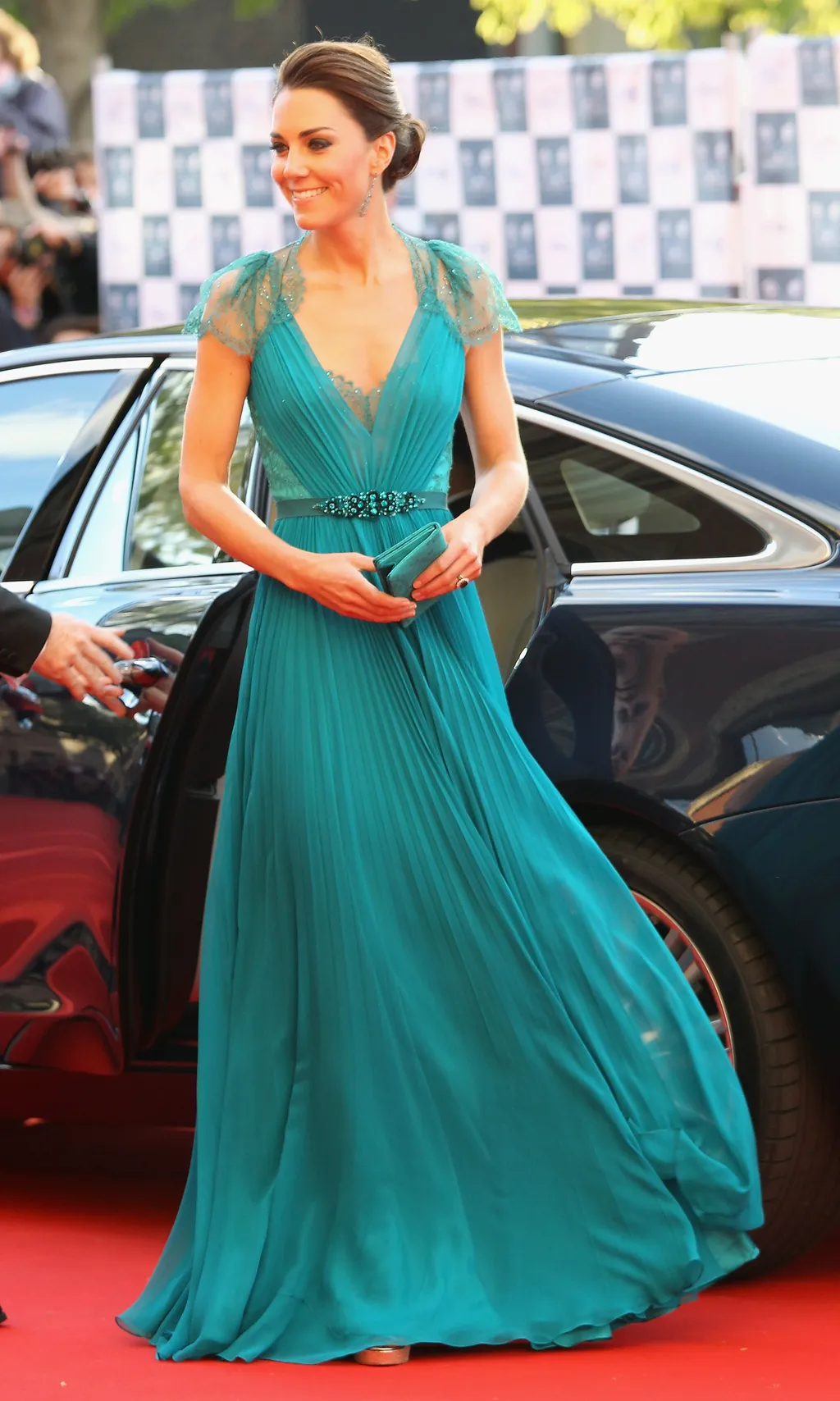
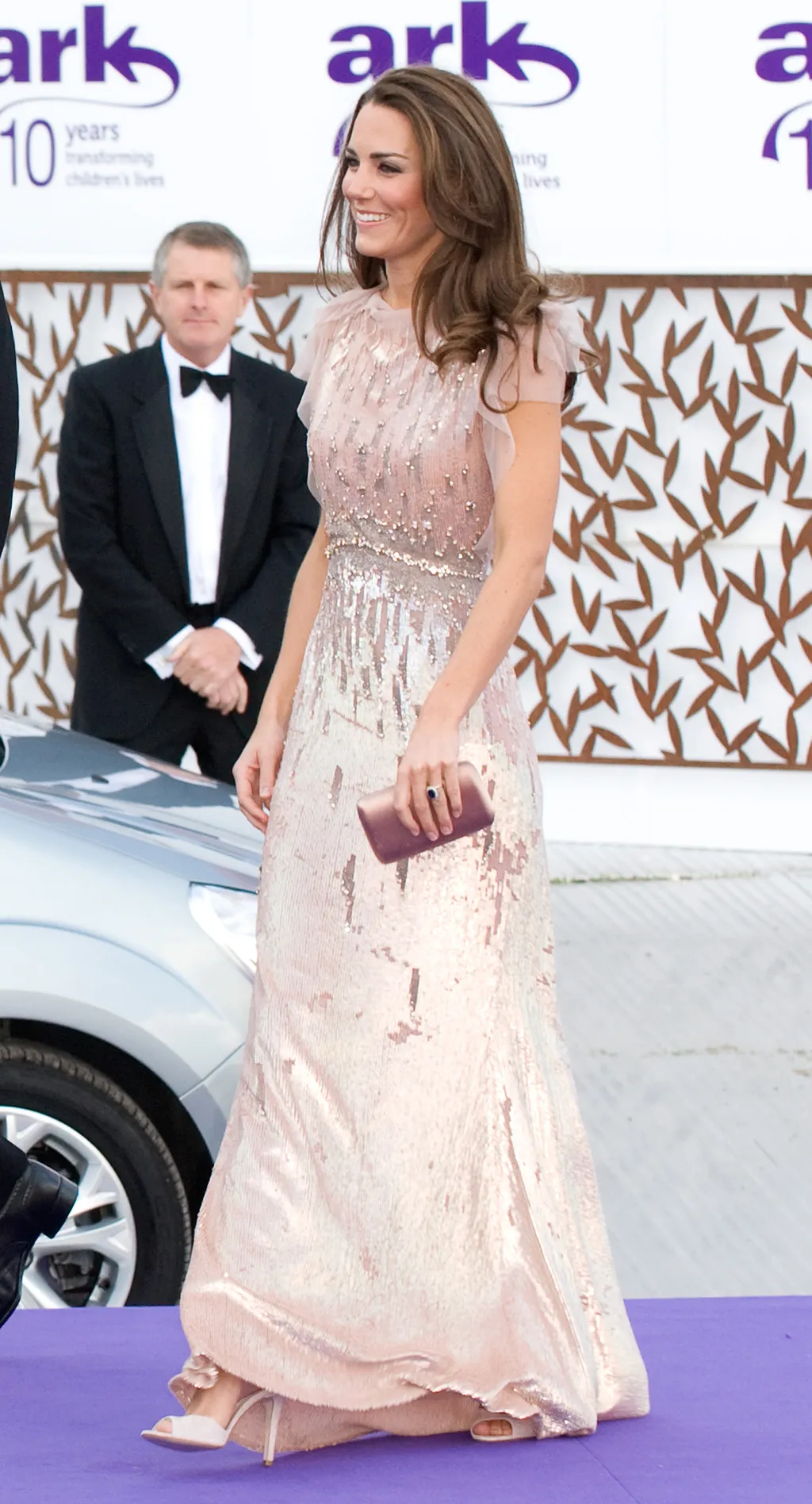
When it comes to timeless style, few public figures capture attention quite like Kate Middleton, the Princess of Wales.Her style is not trend-driven in a fast-fashion sense; instead, it is a carefully constructed visual identity built on consistency, symbolism, and disciplined tailoring. Over time, she has developed a recognizable aesthetic that blends tradition with modern refinement. Whether she’s attending a royal engagement, walking a red carpet, or spending time with her family, Kate consistently demonstrates that elegance never goes out of style.
Kate Middleton’s Signature Fashion Style: Timeless, Structured, and Purposeful Elegance
Structured Silhouettes and Tailoring
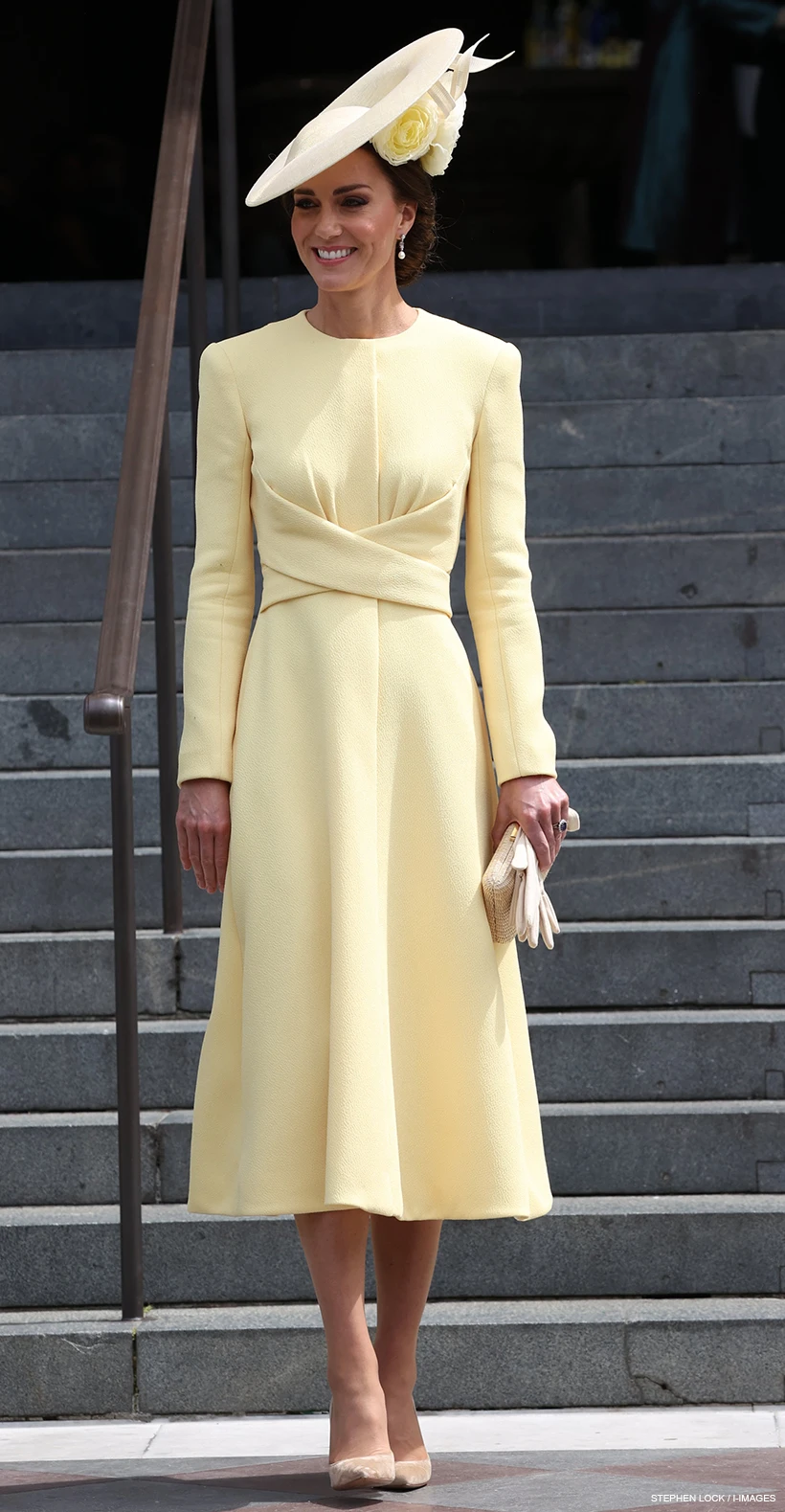
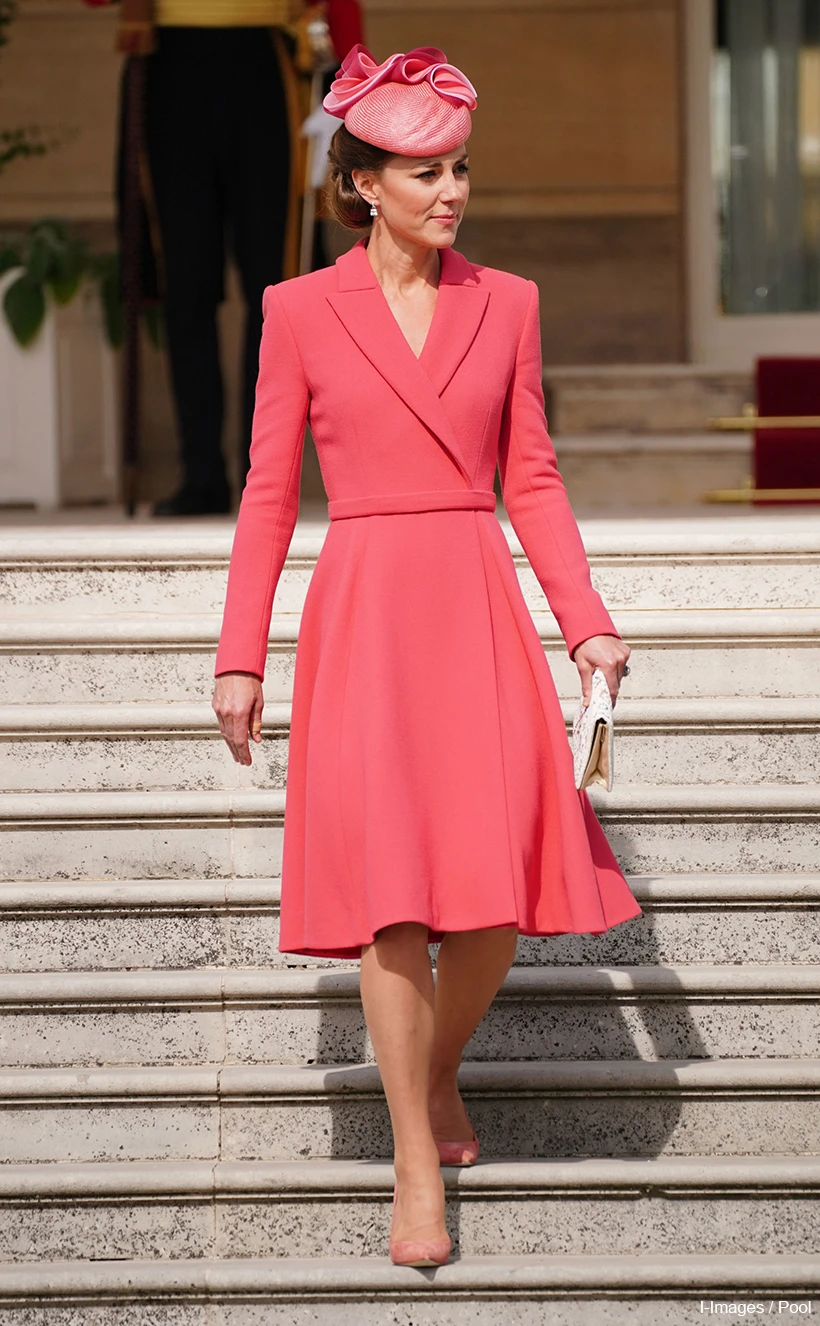
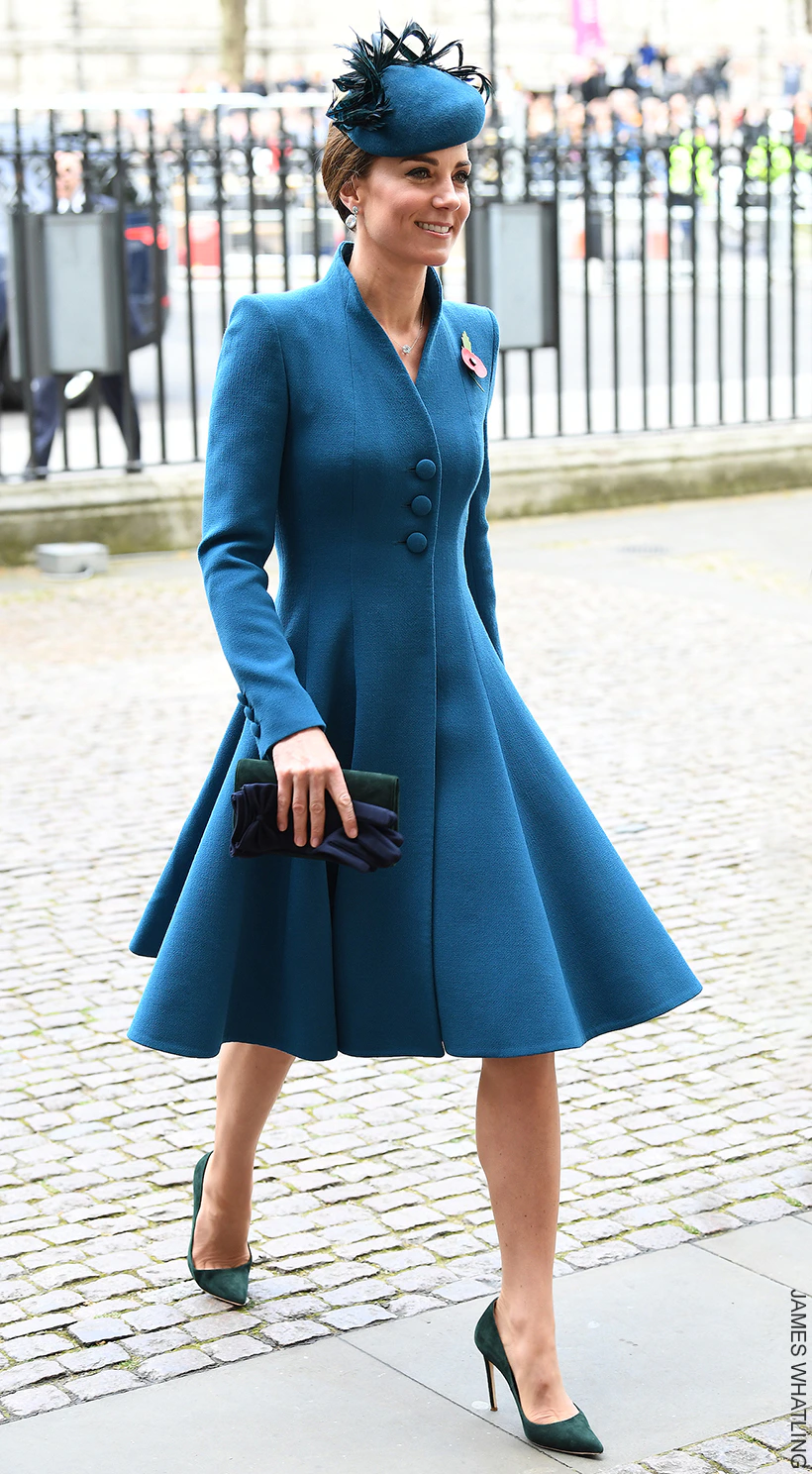
At the heart of her wardrobe is impeccable tailoring. Whether it’s a coatdress, blazer dress, or structured coat, the fit is always precise.
She frequently chooses:
- Defined waistlines
- A-line or fit-and-flare skirts
- Sharp shoulder structure in coats and blazers
This creates a balanced silhouette that feels both regal and approachable. Designers like Alexander McQueen are often associated with her most iconic formal looks because of their architectural precision.
Coatdresses as a Signature Piece
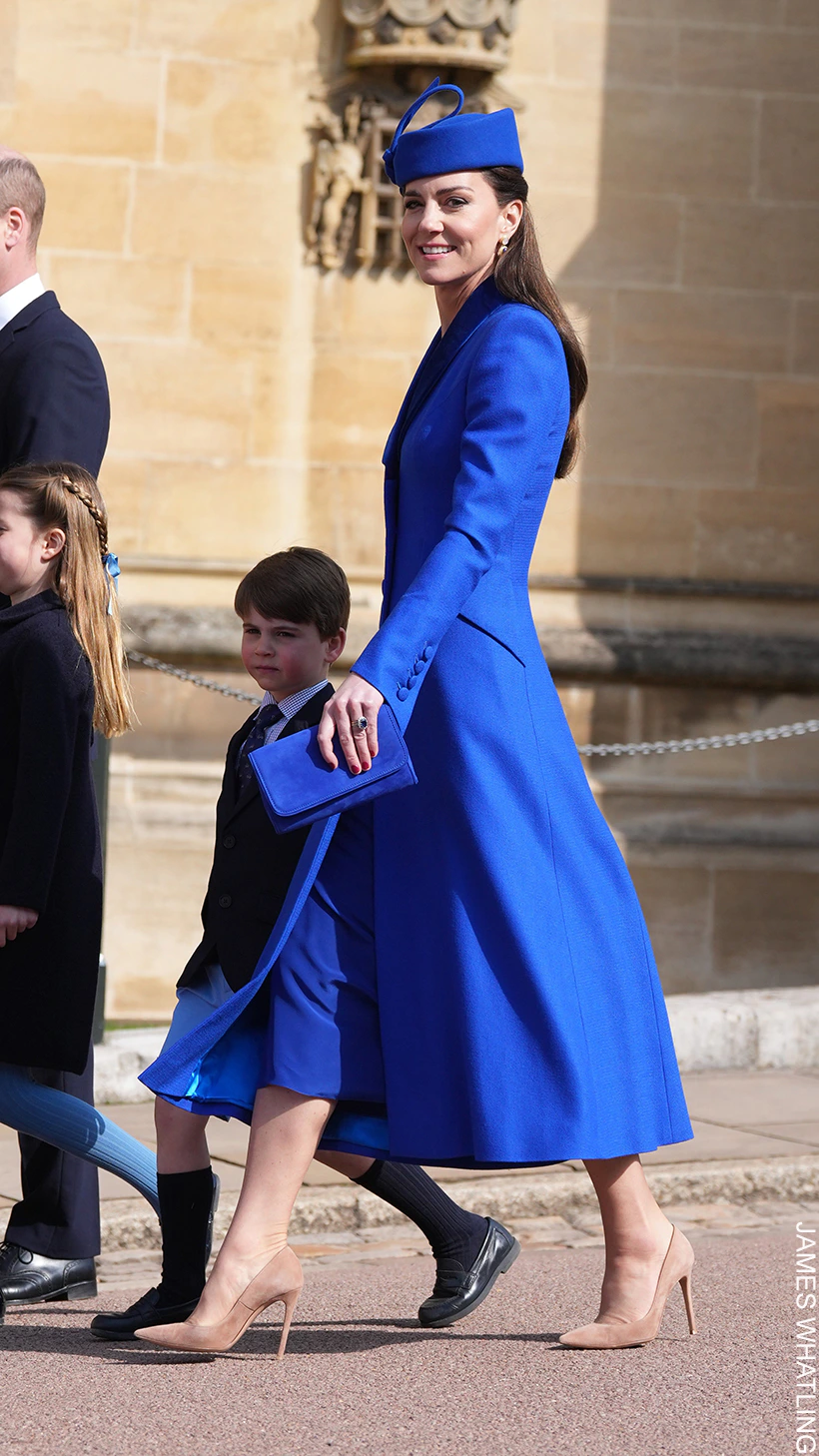
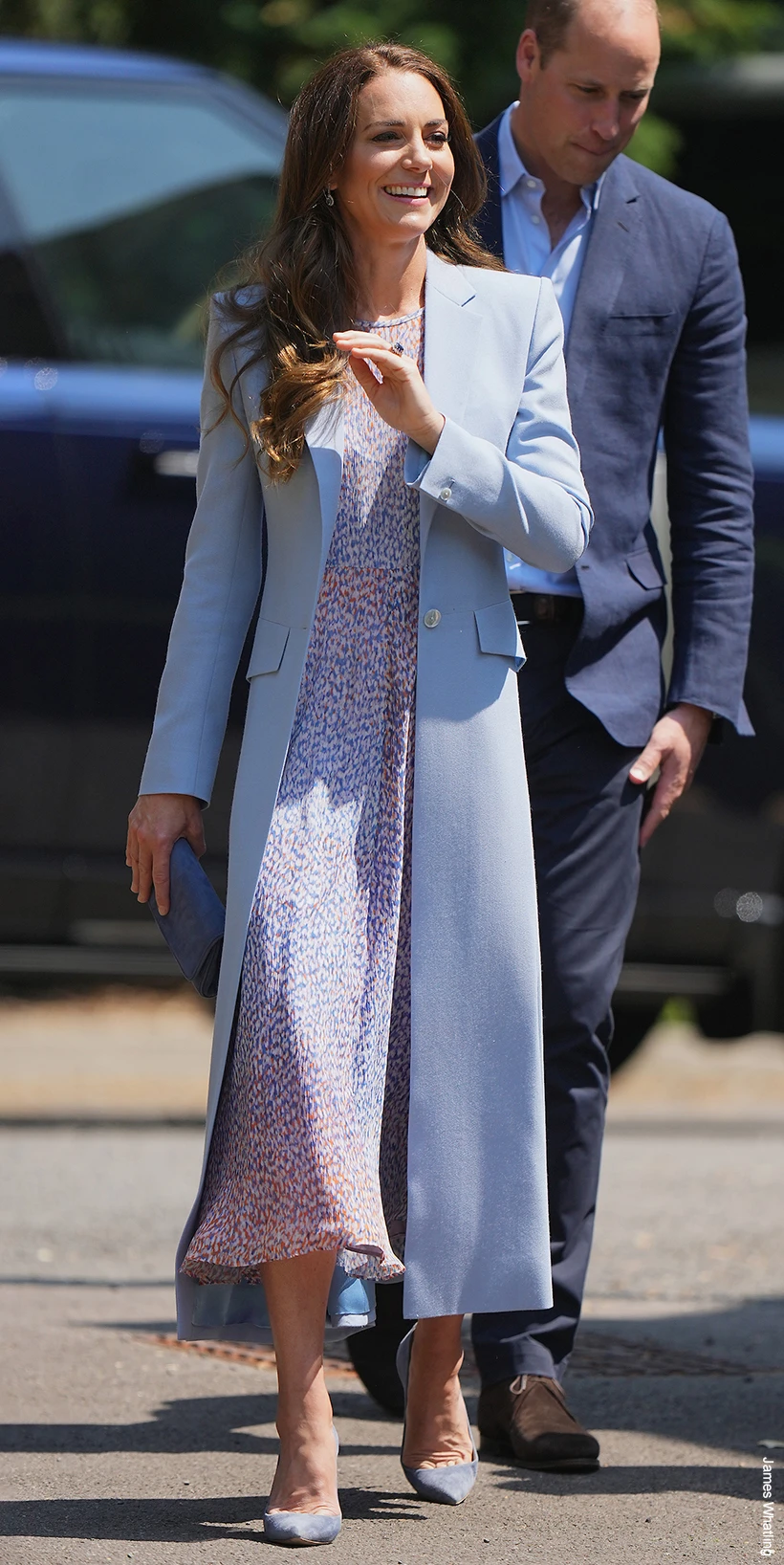
If there is one garment that defines her public image, it is the coatdress.
Why it works for her:
- Combines outerwear practicality with formal elegance
- Works across seasons and climates
- Maintains modesty while still feeling modern
She often repeats this silhouette in different colors, demonstrating a strategic approach rather than constant reinvention.
Color Psychology in Dressing
Her color choices are intentional and often symbolic.
Common patterns include:
- Bold solid colors (red, cobalt blue, emerald green) for public engagements
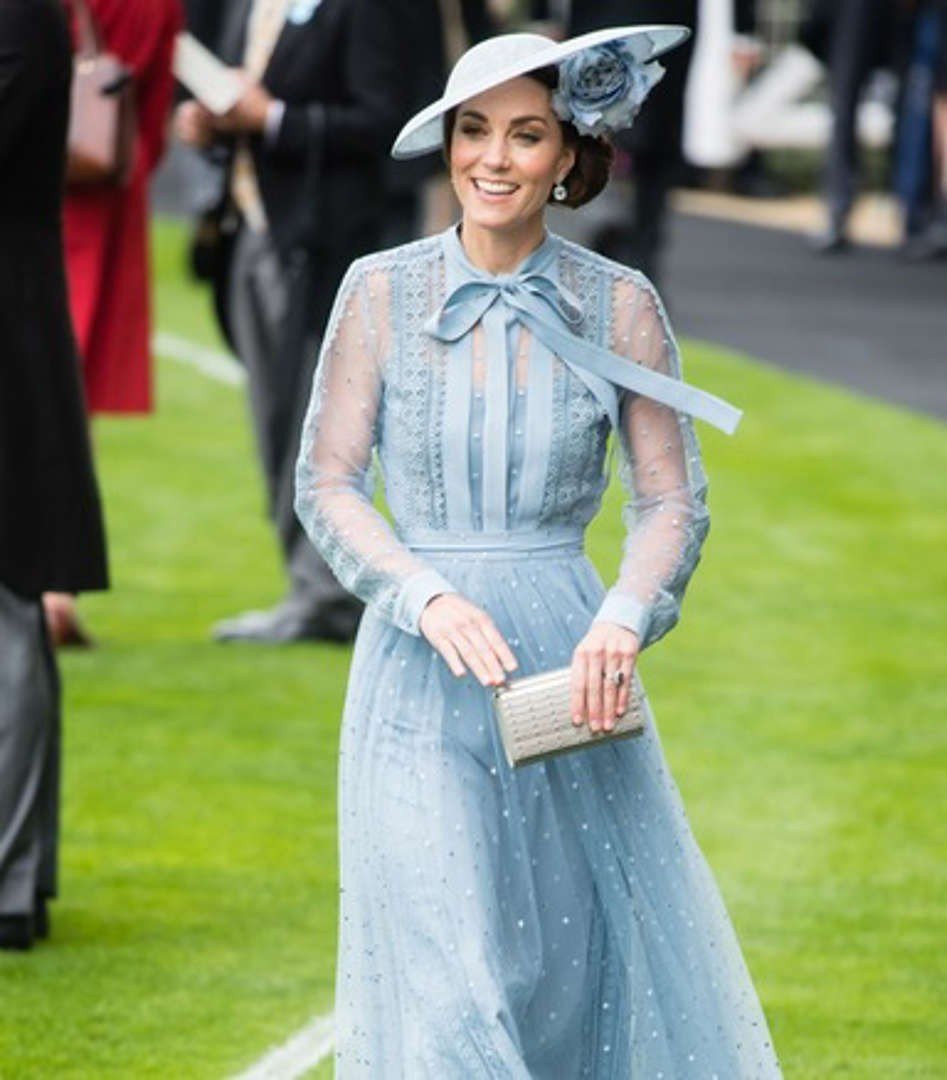
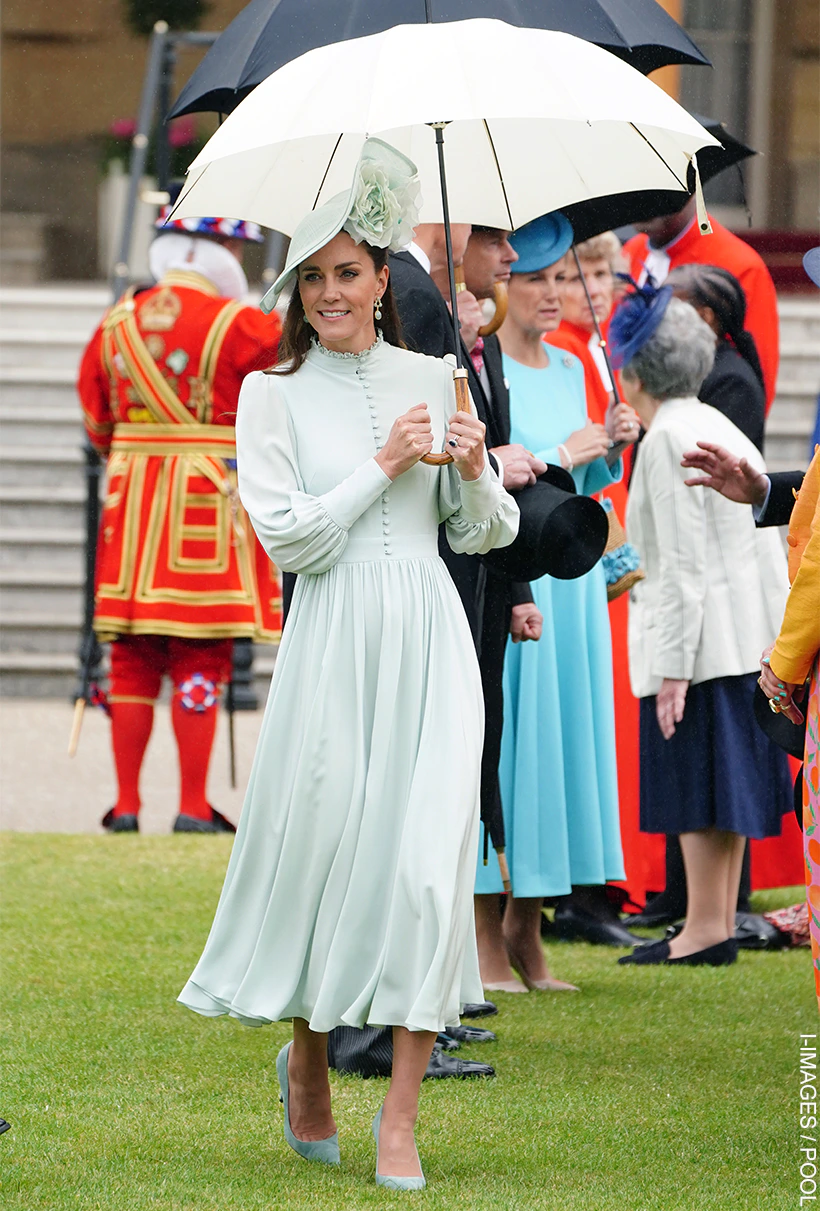
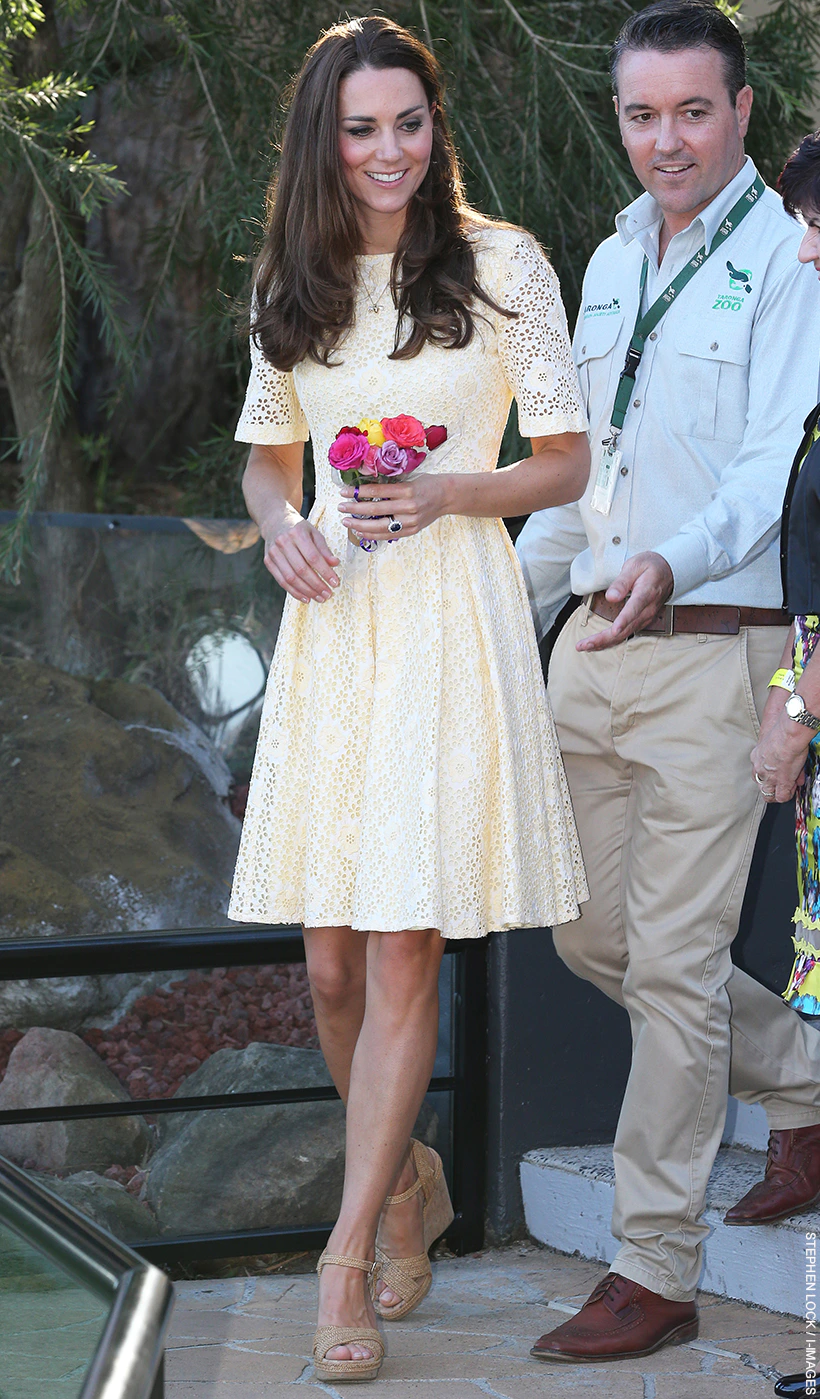
- Pastels for daytime or softer events
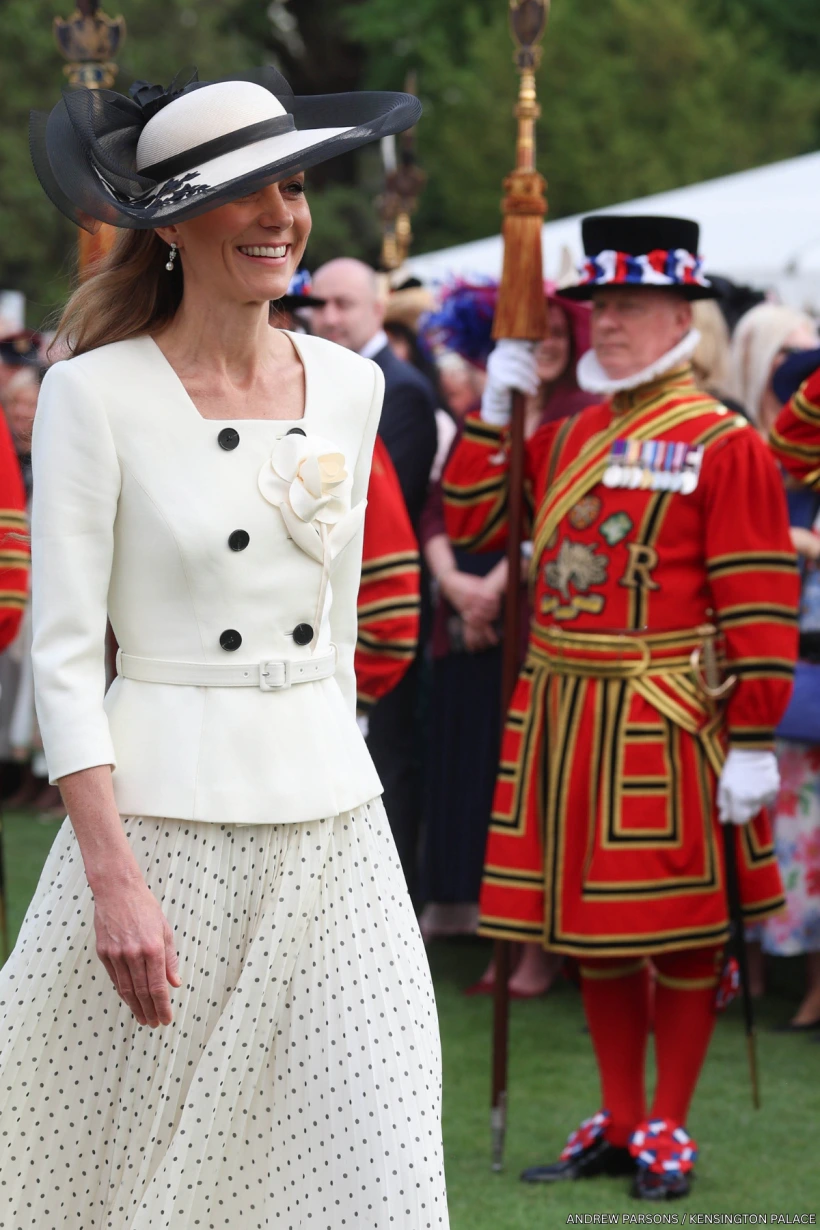
- Neutral tones (beige, navy, white) for diplomatic settings
These choices ensure visibility in public settings while also reinforcing diplomatic appropriateness.
Re-wearing as a Style Statement
Unlike celebrity fashion cycles that prioritize novelty, her wardrobe embraces repetition.
Key aspects:
- Outfits are re-worn with slight modifications (new hats, belts, or accessories)
- High-cost pieces are rotated across years
- Recycling is framed as responsibility rather than limitation
This has made her a modern reference point for “sustainable royal dressing.”
Accessories as Structural Complements
Her accessories are never overpowering. Instead, they reinforce structure.
Typical elements:
- Nude or coordinated pumps
- Small structured handbags
- Fascinators or hats for formal occasions
- Minimal jewelry, often pearl or diamond studs
Each accessory is selected to support, not distract from, the outfit.