iSayFlick Admin
Choosing the right food for your dog isn’t just about convenience—it directly impacts their health, energy, coat quality, and longevity. With so many options on the market, it can feel overwhelming to decide what’s actually best. This guide breaks down everything you need to know, along with practical recommendations to help you make a smart choice.
Why Dog Food Quality Matters?
Dogs need a balanced diet that includes protein, fats, carbohydrates, vitamins, and minerals. Poor-quality food can lead to issues like low energy, digestive problems, dull coat, and even long-term health conditions. High-quality dog food supports strong immunity, healthy weight, and overall well-being.
Types of Dog Food
1. Dry Food (Kibble)
Dry food is one of the most popular choices because it’s convenient, affordable, and has a long shelf life. Many high-quality kibbles are formulated to provide complete nutrition.
Best for: Everyday feeding, budget-friendly options, easy storage.
2. Wet Food (Canned)
Wet food contains more moisture, making it easier to eat and more appealing for picky dogs.
Best for: Dogs who need hydration, seniors, or picky eaters.
3. Fresh or Raw Food
Fresh or raw diets are minimally processed and often include real meats, vegetables, and natural ingredients.
Best for: Pet owners looking for a more natural diet (requires careful planning for balance and safety).
4. Freeze-Dried & Dehydrated
These options combine convenience with higher-quality ingredients. You typically add water before serving.
Best for: Balanced nutrition with longer shelf life than fresh food.
Key Ingredients to Look For
When choosing dog food, always check the ingredient list:
- High-quality protein: Chicken, beef, lamb, or fish should be the first ingredient
- Healthy fats: Support skin, coat, and brain health
- Whole grains or alternatives: Brown rice, oats, or sweet potatoes
- Fruits and vegetables: Provide vitamins and antioxidants
Ingredients to Avoid
- Artificial preservatives, colors, or flavors
- Excessive fillers like corn or soy (in low-quality formulas)
- By-products with unclear sourcing
Dog Food Recommendations by Category
Best Overall
Look for brands that prioritize real meat, balanced nutrition, and minimal fillers. These are ideal for most healthy dogs.
Best for Puppies
Puppies need higher protein and calorie intake to support growth and development. Choose food specifically labeled for puppies.
Best for Senior Dogs
Older dogs benefit from lower-calorie formulas with joint support ingredients like glucosamine.
Best for Sensitive Stomachs
Limited-ingredient diets or grain-free options can help dogs with allergies or digestive issues.
Best Budget-Friendly Options
You don’t need to spend a fortune—many affordable brands still offer balanced nutrition if you check ingredients carefully.
How to Choose the Right Food for Your Dog
Consider these factors:
- Age (puppy, adult, senior)
- Size and breed
- Activity level
- Health conditions or allergies
If your dog has specific health concerns, it’s always best to consult a veterinarian before making changes.
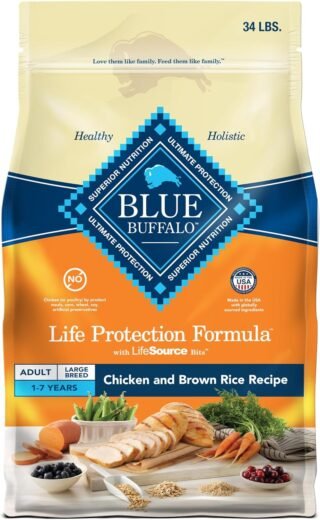
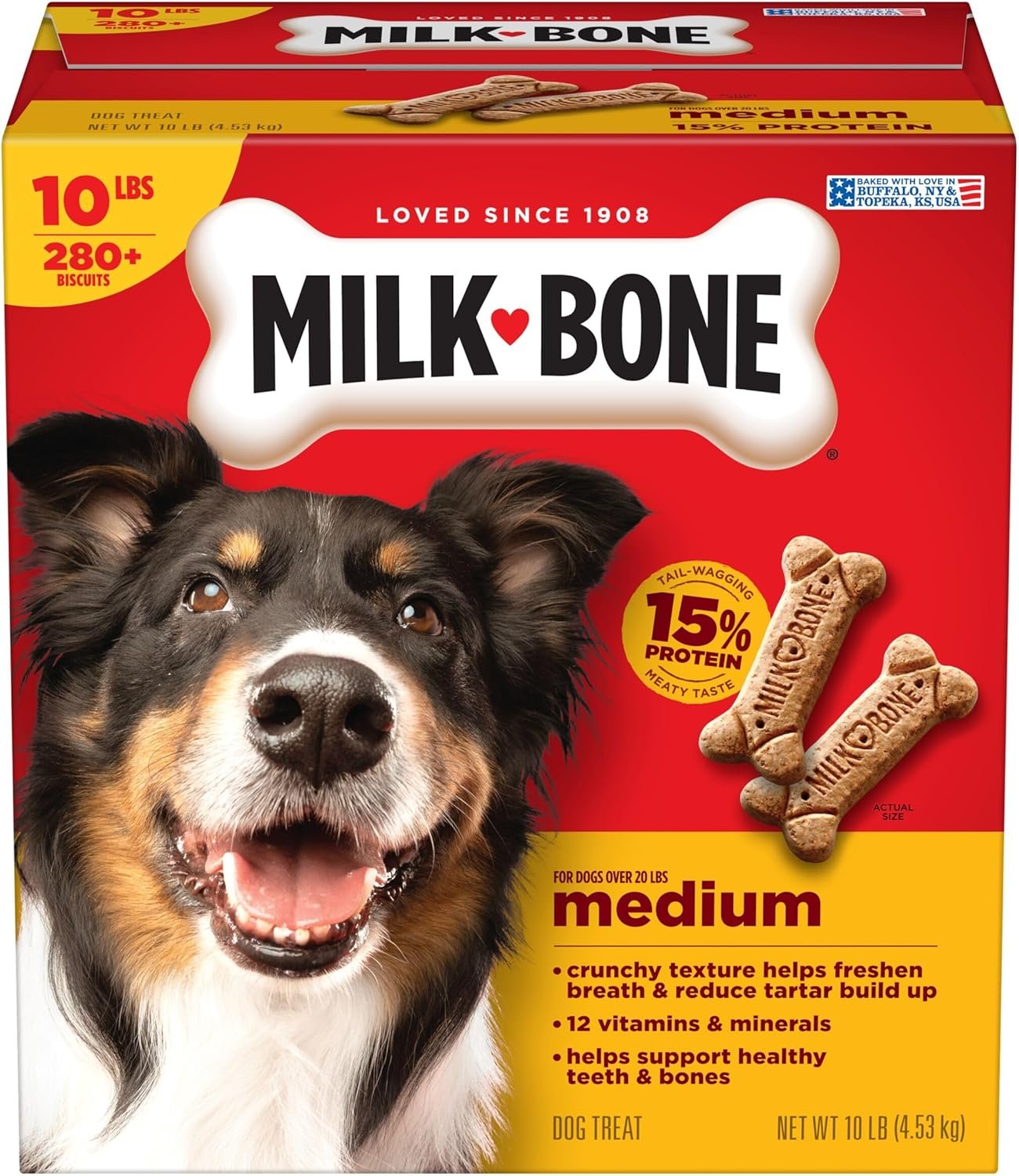
Dog Food Recommendations
Affiliate links will appear below. #ad #commissionsearned