iSayFlick Admin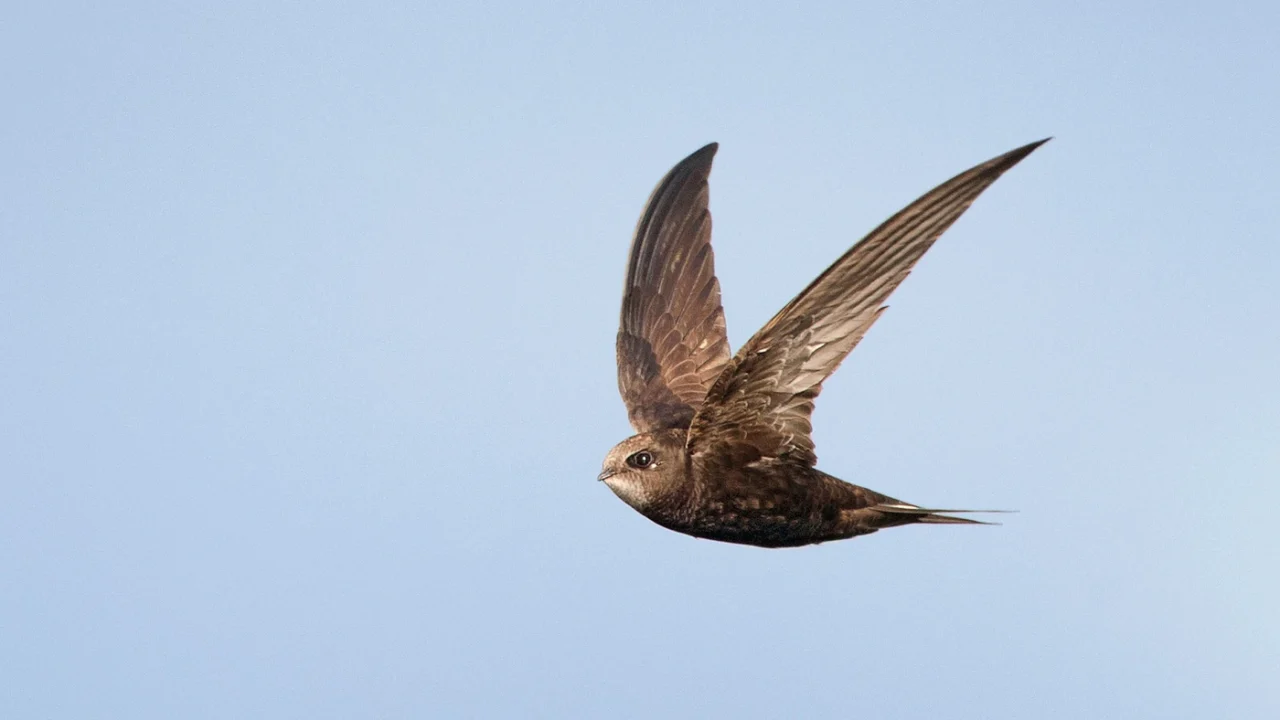
Masters of the Endless Sky
When we think of birds, we often picture short bursts of flight—tree to tree, rooftop to rooftop. But some species are built for endurance, capable of staying airborne for hours, days, or even months without touching the ground. These aerial specialists have evolved unique adaptations that allow them to conserve energy, ride wind currents, and thrive in the open sky.
The Science Behind Long-Distance Flight
Birds that excel in long-duration flight rely on a combination of physiology and environmental strategy. Lightweight bodies, high-efficiency lungs, and specialized wing shapes all play a role. Many species use a technique called dynamic soaring—gliding on wind gradients over oceans—or thermal soaring, where they ride rising warm air to gain altitude without flapping.
Top Birds That Rarely Land
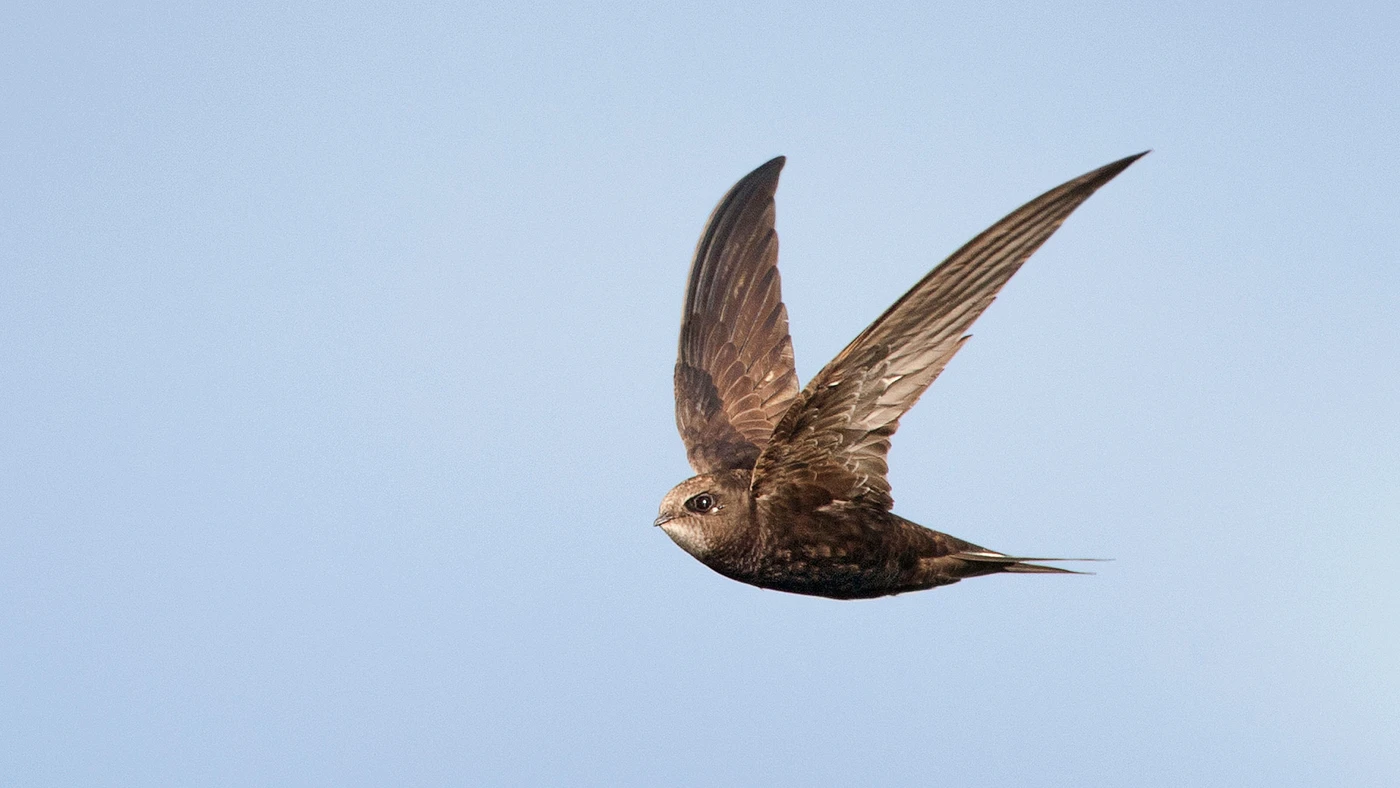
Common Swift
Arguably the champion of continuous flight, the common swift can remain airborne for up to 10 months. These birds eat, sleep, and even mate while flying. Their long, narrow wings are optimized for gliding, and they rarely land except to nest.
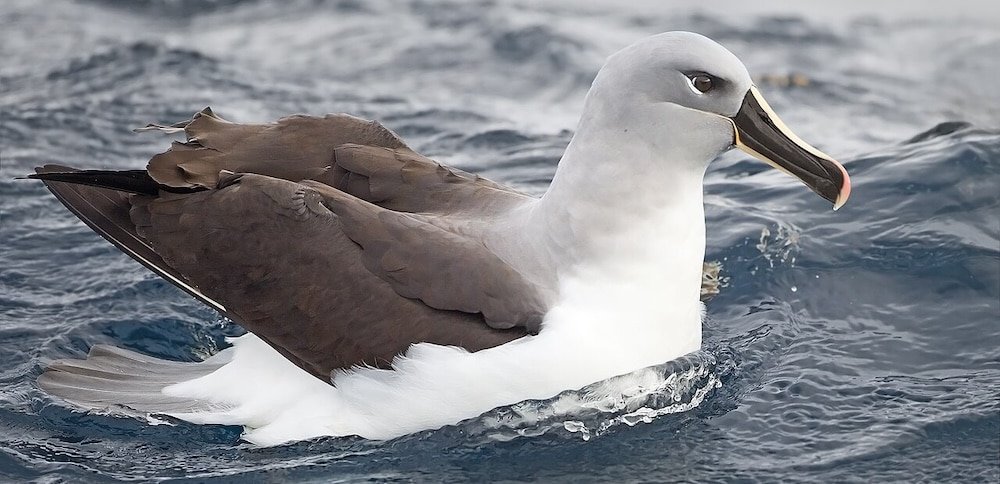
Albatross
Albatrosses are oceanic wanderers, capable of traveling thousands of miles without flapping their wings much. Using dynamic soaring, they harness ocean winds to glide effortlessly for hours to several days without landing. Some individuals circumnavigate the globe multiple times in a year.
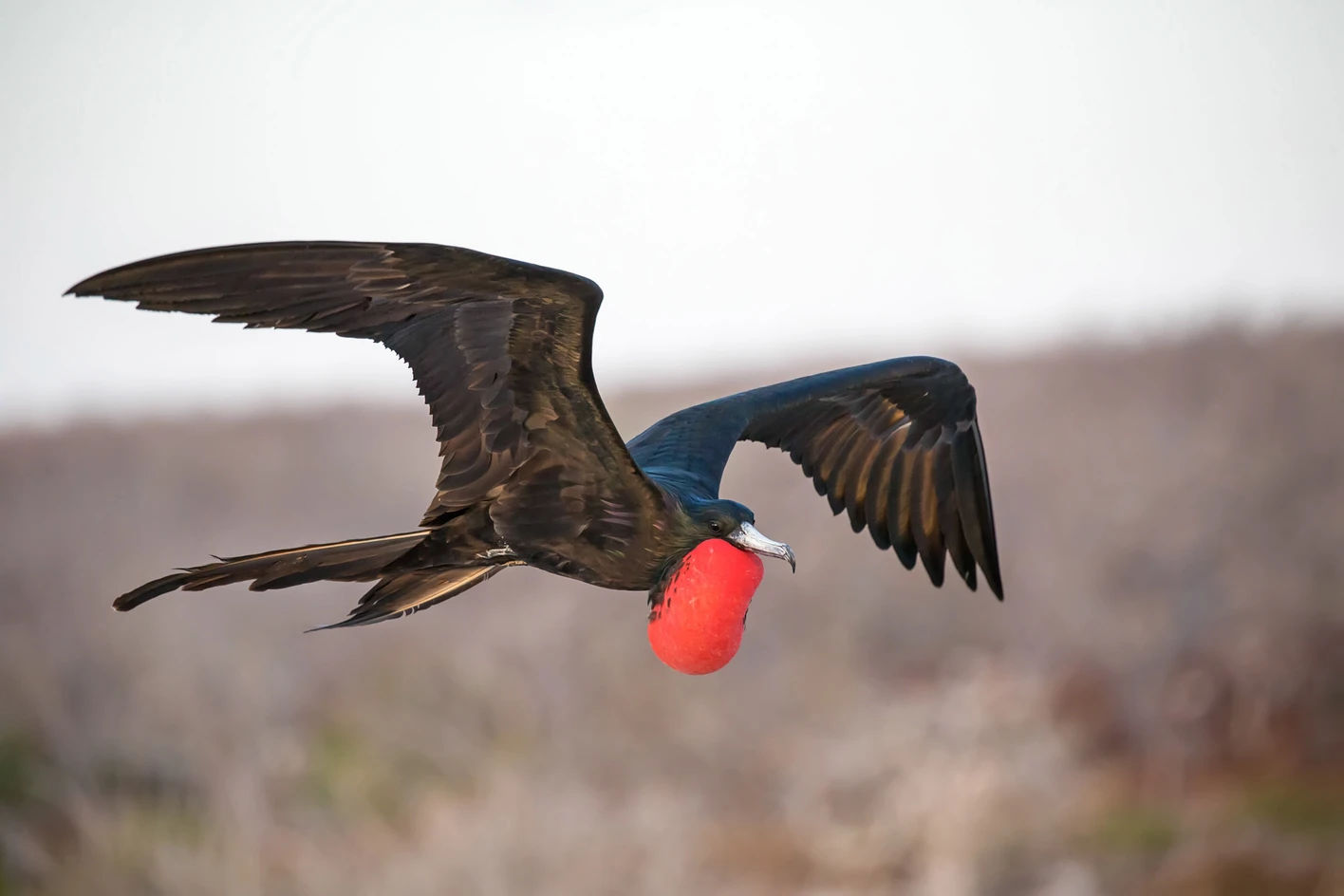
Frigatebird
Frigatebirds can stay aloft for weeks at a time. They take advantage of thermal currents and rarely land on water due to their lack of waterproof feathers. Their lightweight bodies and large wingspans make them exceptional gliders.
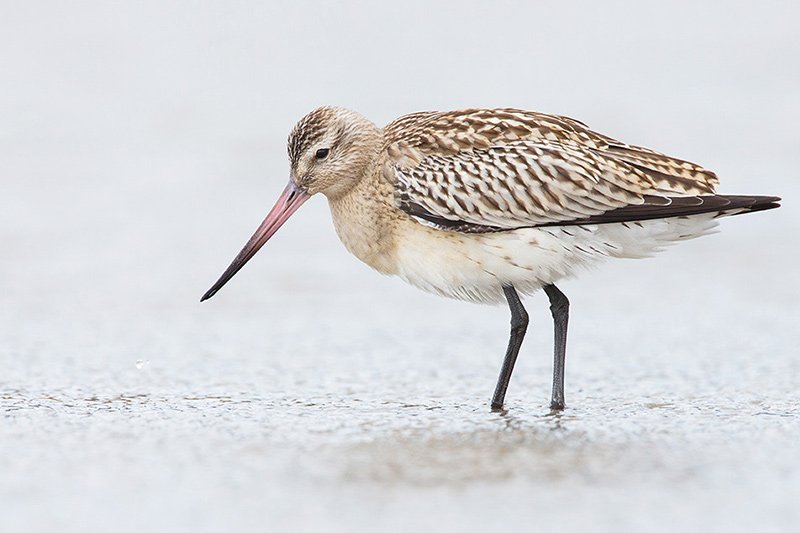
Bar-tailed Godwit
This migratory bird holds the record for the longest nonstop flight—over 7,000 miles from Alaska to New Zealand without resting. It prepares by storing massive fat reserves, essentially turning its body into a fuel tank. Nonstop flight time: up to 8–11 days continuously.
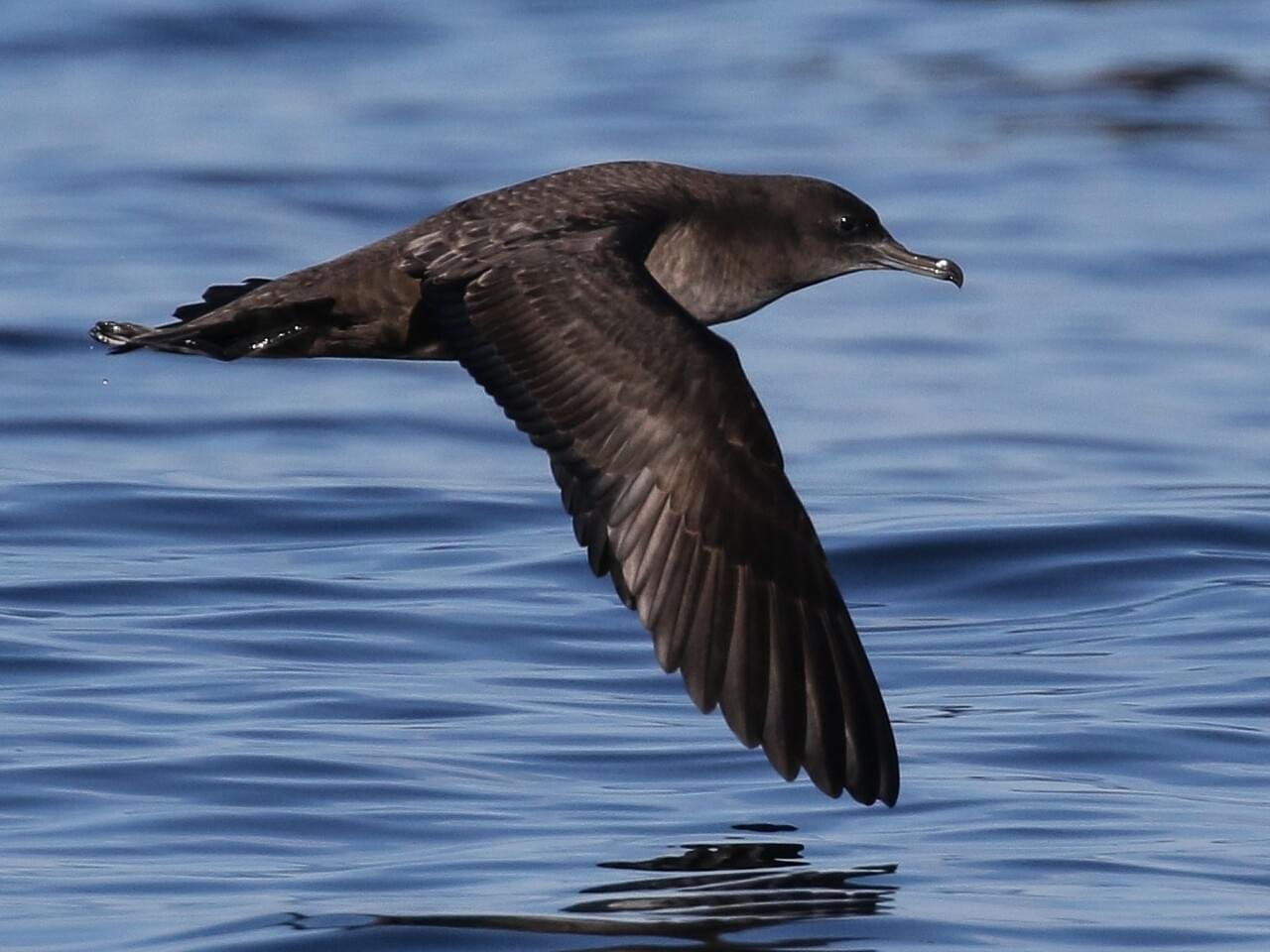
Sooty Shearwater
These birds undertake one of the longest migration circuits on Earth, flying from the Southern Hemisphere to the Northern Hemisphere and back each year. They glide low over ocean waves, conserving energy through wind-assisted flight. Continuous flight: typically, hours to a couple of days without landing
Ducks
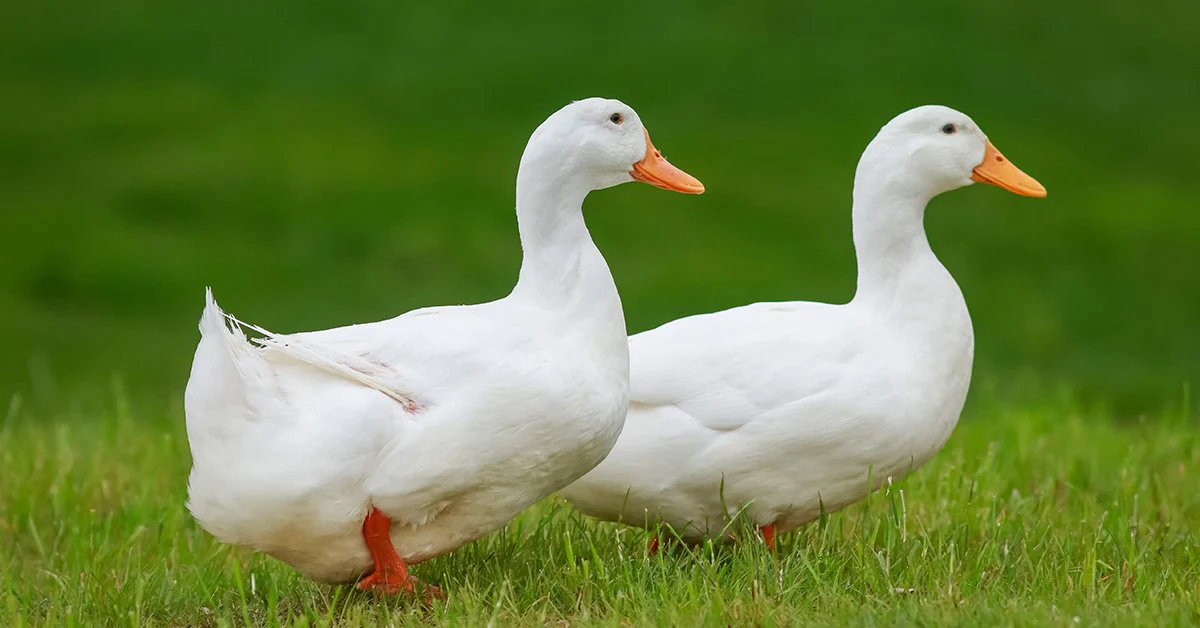
Ducks vary a lot by species, but many are surprisingly strong long-distance fliers. Most migratory ducks, such as the Mallard, can stay in the air for 3 to 8 hours at a time during regular flight. When migrating, they can push this further—sometimes 10+ hours in a single stretch, especially with favorable winds.
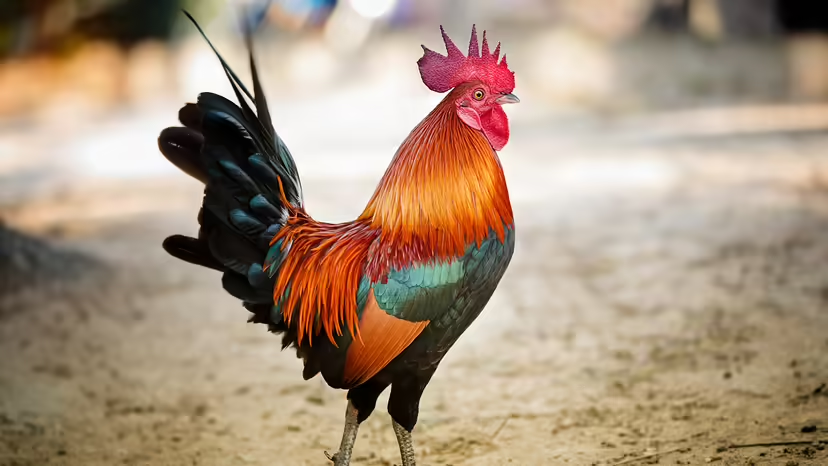
Chicken
Chickens can’t truly fly in the way birds like hawks or pigeons do. They’re built more for short bursts than sustained flight. Most domestic chickens can only stay airborne for a few seconds ,typically 5–10 seconds max.
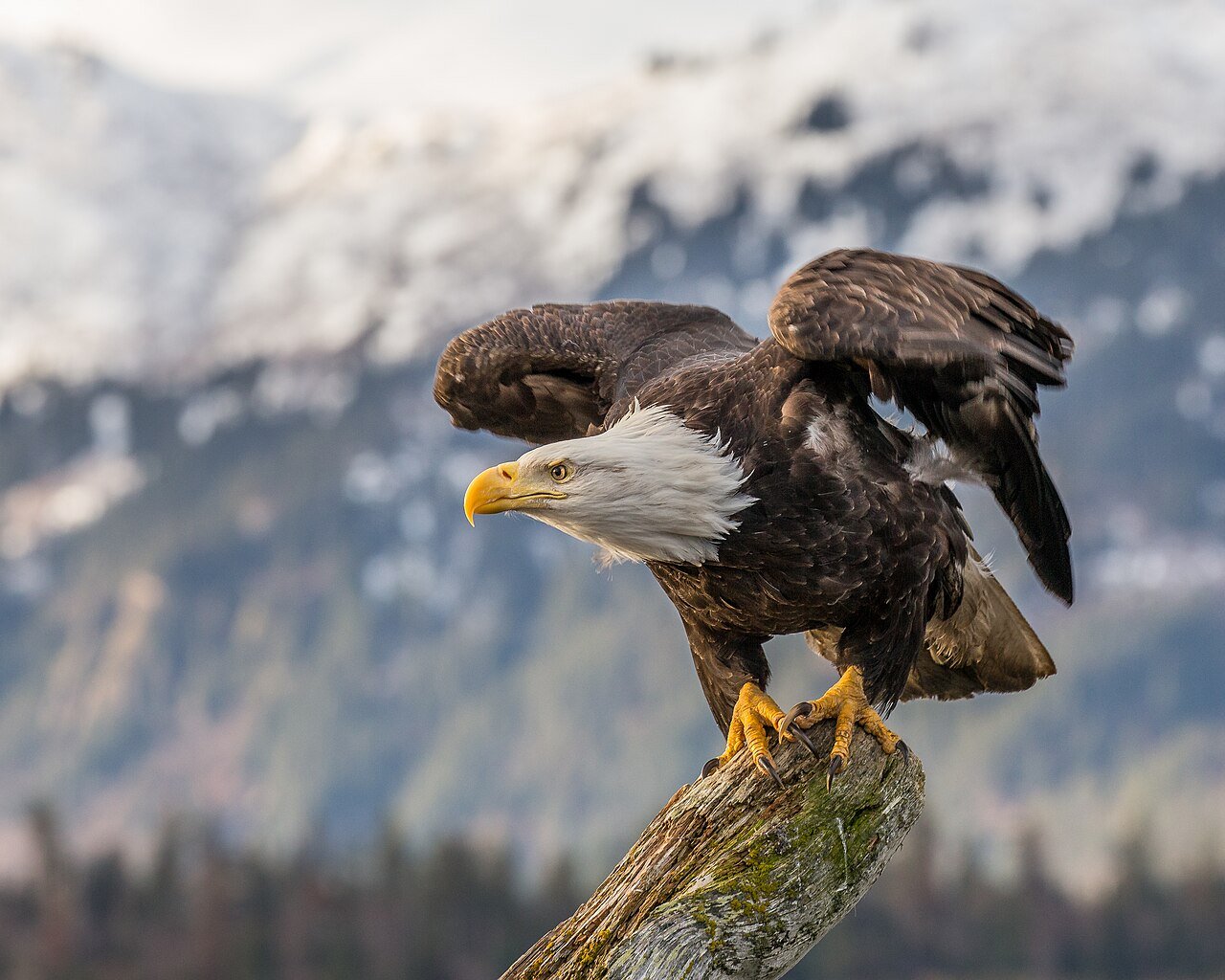
Eagles
Eagles can stay airborne for several hours at a stretch, typically 2 to 6 hours without landing under normal conditions. In ideal situations—strong thermals, good weather, and during migration—species like the Bald Eagle can remain in the air much longer, even most of the day (8–10+ hours). They don’t rely on constant flapping; instead, they soar and glide on rising warm air, which conserves energy.
Crows
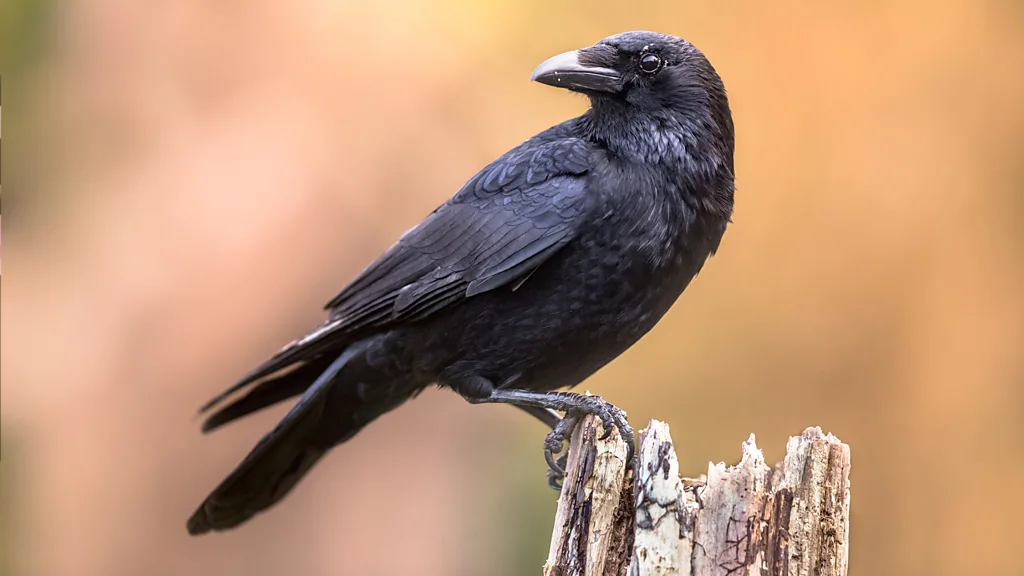
Crows, such as the American Crow, can stay in the air for roughly 30 minutes to a couple of hours without landing, depending on conditions. They rely mostly on flapping with some short gliding, which limits how long they can remain airborne, so they typically land regularly to rest or forage rather than sustaining extremely long flights.
Common Swift
Albatross
Frigatebird
Bar-tailed Godwit
Sooty Shearwater
Chicken / Rooster
Eagles
Crows
Ducks
How Do They Sleep?
One of the most fascinating aspects of long-duration flight is sleep. Birds like the swift can enter a state called unihemispheric slow-wave sleep—resting one half of their brain while the other remains alert to maintain flight and avoid obstacles.
Why It Matters?
Understanding these birds isn’t just fascinating—it has practical implications. Their flight strategies inspire innovations in aviation, drone technology, and energy efficiency. Studying them also highlights the importance of preserving migratory routes and ecosystems that support these incredible journeys.