iSayFlick Admin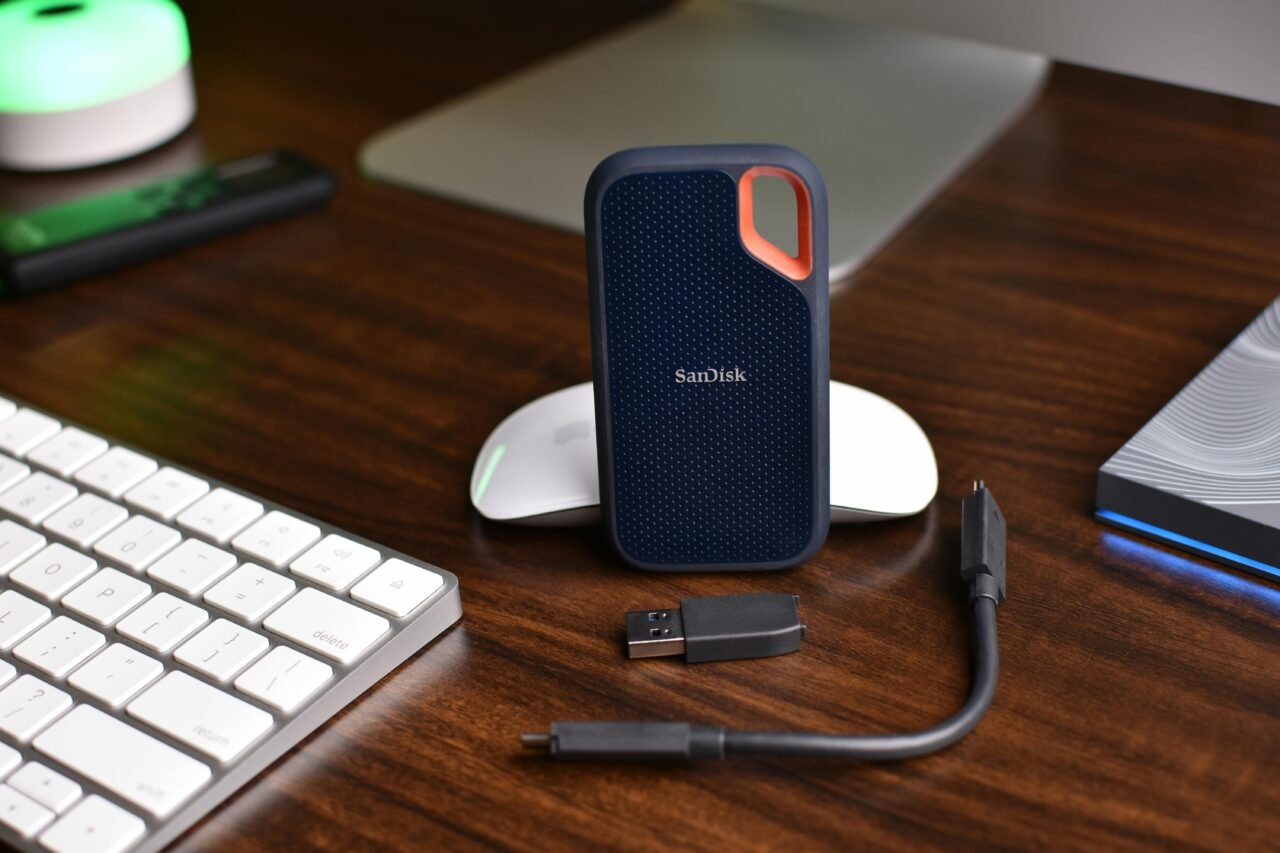
External storage (critical for large video files)
External storage is a non-negotiable part of any serious content creator’s workflow, especially when working with high-resolution video like 4K or even 8K. Raw footage, project files, and exports can quickly consume hundreds of gigabytes, overwhelming internal drives and slowing down your system. A reliable external SSD offers fast read/write speeds for smooth editing, while larger HDDs provide cost-effective long-term storage for archiving finished projects. Using dedicated storage not only improves performance but also protects your work—many creators follow a “backup rule” by keeping multiple copies of their files to avoid data loss.
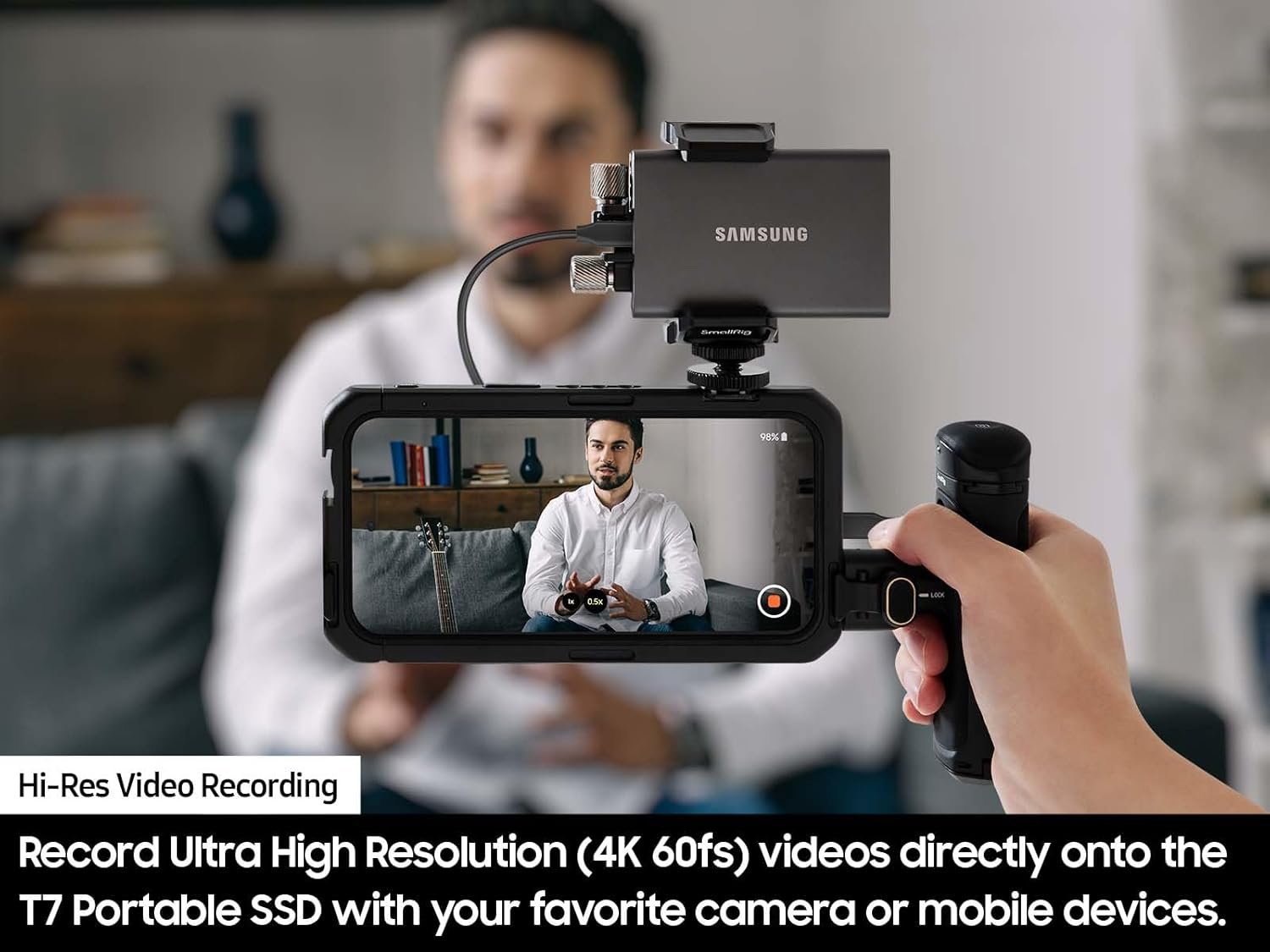
Samsung T7 Portable SSD 1TB
Samsung T7 Portable SSD, 1TB External Solid State Drive, Speeds Up to 1,050MB/s, USB 3.2 Gen 2, Reliable Storage for Gaming, Students, Professionals, MU-PC1T0T/AM, Gray
The T7 is widely used by video editors because it handles large files smoothly and maintains consistent speed during long transfers.
#ad #commissionsearned
Crucial X9 Pro 1TB Portable SSD
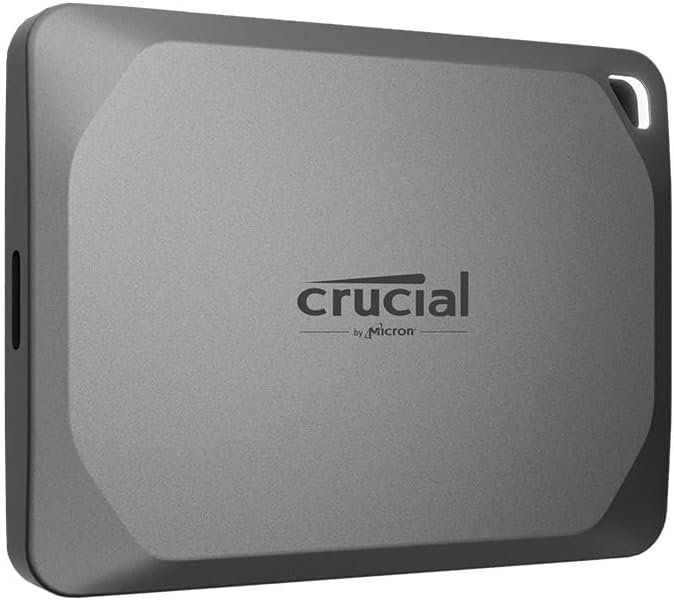
Crucial X9 Pro 1TB Portable SSD, Up to 1050MB/s Read & Write, 3.2 USB-C, External Solid State Drive, Durable Storage for PC & Mac, for Content Creators & Videogaphers, Silver – CT1000X9PROSSD902
If you’re starting out, this gives you strong performance without overspending—great for YouTube and TikTok workflows.
#ad #commissionsearned
SanDisk 1TB Extreme Portable SSD
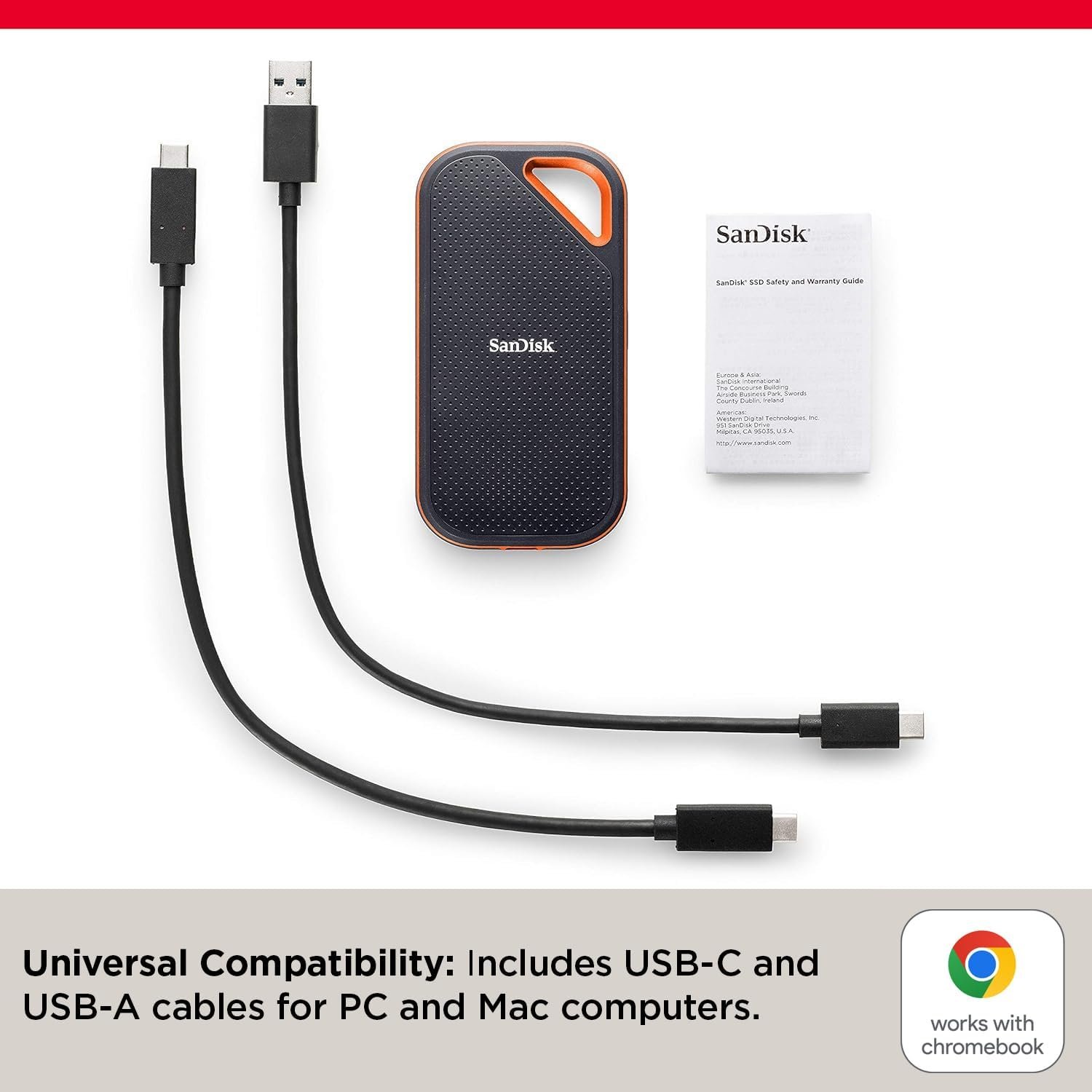
SANDISK 1TB Extreme PRO Portable SSD – Up to 2000MB/s – USB-C, USB 3.2 Gen 2×2, IP65 Water and Dust Resistance, Updated Firmware – External Solid State Drive – SDSSDE81-1T00-G25
This is one of the most popular creator drives for a reason. It’s fast, compact, and built for travel with drop protection and water resistance—perfect if you’re shooting content on the go.
#ad #commissionsearned
Essential Storage Tips for Content Creators
💾 High-Capacity Memory Cards
For smooth, uninterrupted recording—especially in 4K or higher—your memory card needs both capacity and speed. While 128GB is a solid starting point, 256GB or more is ideal if you shoot frequently or in high bitrates. UHS-II or V90-rated SD cards are designed to handle fast write speeds without buffering or dropped frames. These are especially important for mirrorless cameras and professional video workflows.
⚡ Portable SSDs
Portable SSDs are a must for backing up footage on the go and maintaining a fast editing workflow. Unlike traditional hard drives, SSDs offer significantly faster transfer speeds, making it easier to move large video files quickly and even edit directly from the drive. A 1TB SSD is the practical baseline for most creators, balancing cost and storage, while 2TB+ is better for heavy production work or travel creators who can’t offload files daily.
☁️ Cloud Backup
No matter how reliable your hardware is, data loss can still happen—and for creators, that can mean lost time, lost content, and lost income. A solid cloud backup strategy ensures your files are safe even if your gear fails or gets lost. Services like Google Drive, Dropbox, or iCloud allow you to automatically sync and store important files.
For best practice, follow the 3-2-1 rule: keep three copies of your data, on two different storage types, with one stored offsite (cloud).