 iSayFlickAdmin
Different Types of Sneakers and Their Foot Health Benefits
Disclaimer:
The information in this article is based on personal experience and observations. It is intended for general informational purposes only and should not be considered professional medical advice. Always consult a healthcare professional for any foot health concerns.
Choosing the right sneakers can protect your feet, prevent pain, and keep you comfortable all day. From casual wear to running, different sneaker styles provide unique benefits for foot health.
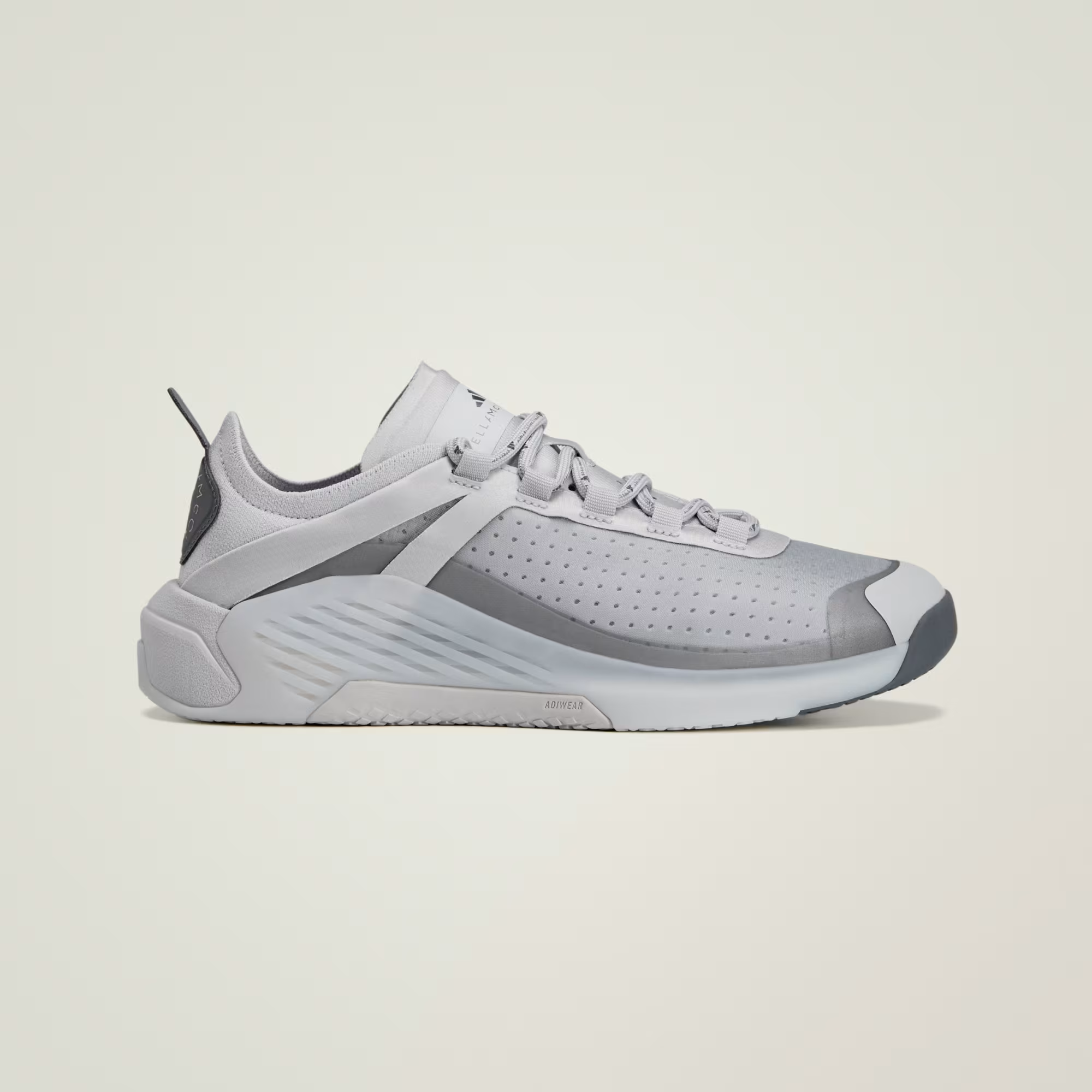
Running Sneakers
Running sneakers aren’t just for joggers, they’re designed to support arch alignment, cushioning, and shock absorption. Features to look for:
- Cushioned midsoles to reduce pressure on joints
- Arch support tailored to your foot type (high, medium, low)
- Breathable material to prevent moisture buildup
These sneakers are ideal for anyone who spends long hours walking or standing.
Minimalist Sneakers
Minimalist sneakers mimic barefoot walking and encourage natural foot movement. They usually have:
- Thin, flexible soles
- Lightweight construction
- Wide toe boxes
Benefits include stronger foot muscles, improved posture, and better balance. However, it’s best to transition slowly if you’re used to heavily cushioned shoes.
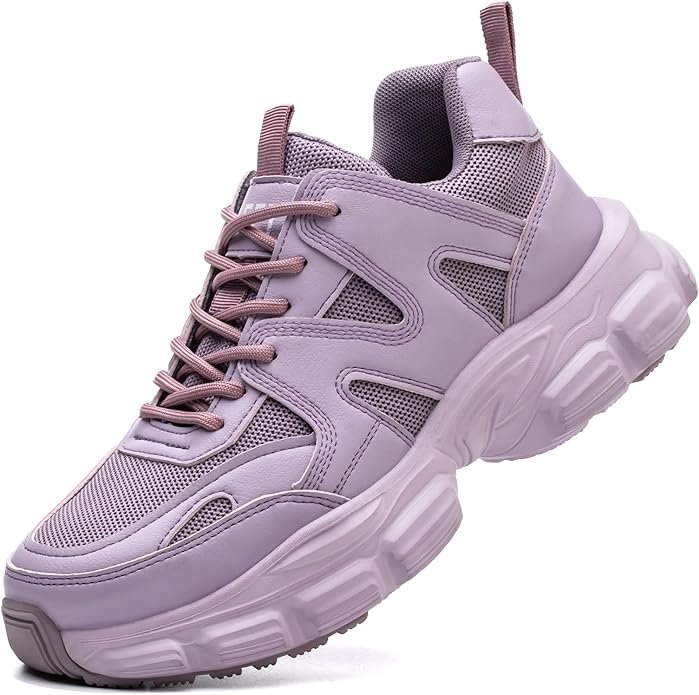
Orthopedic or Support Sneakers
Orthopedic sneakers are specifically designed for foot conditions such as plantar fasciitis, bunions, or flat feet. They feature:
- Extra arch support
- Cushioned insoles
- Stability features to prevent overpronation
These sneakers are perfect for people with foot problems or anyone seeking maximum support during long walks or standing at work.
Casual Sneakers with Ergonomic Design
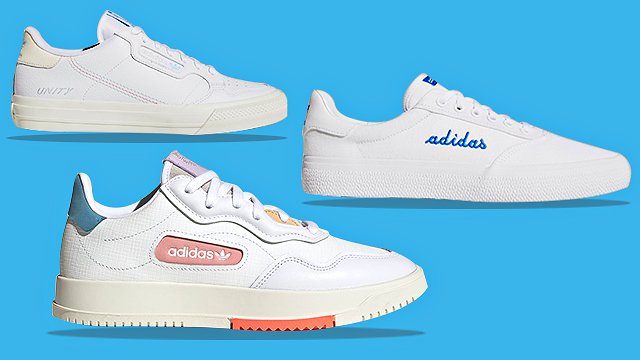
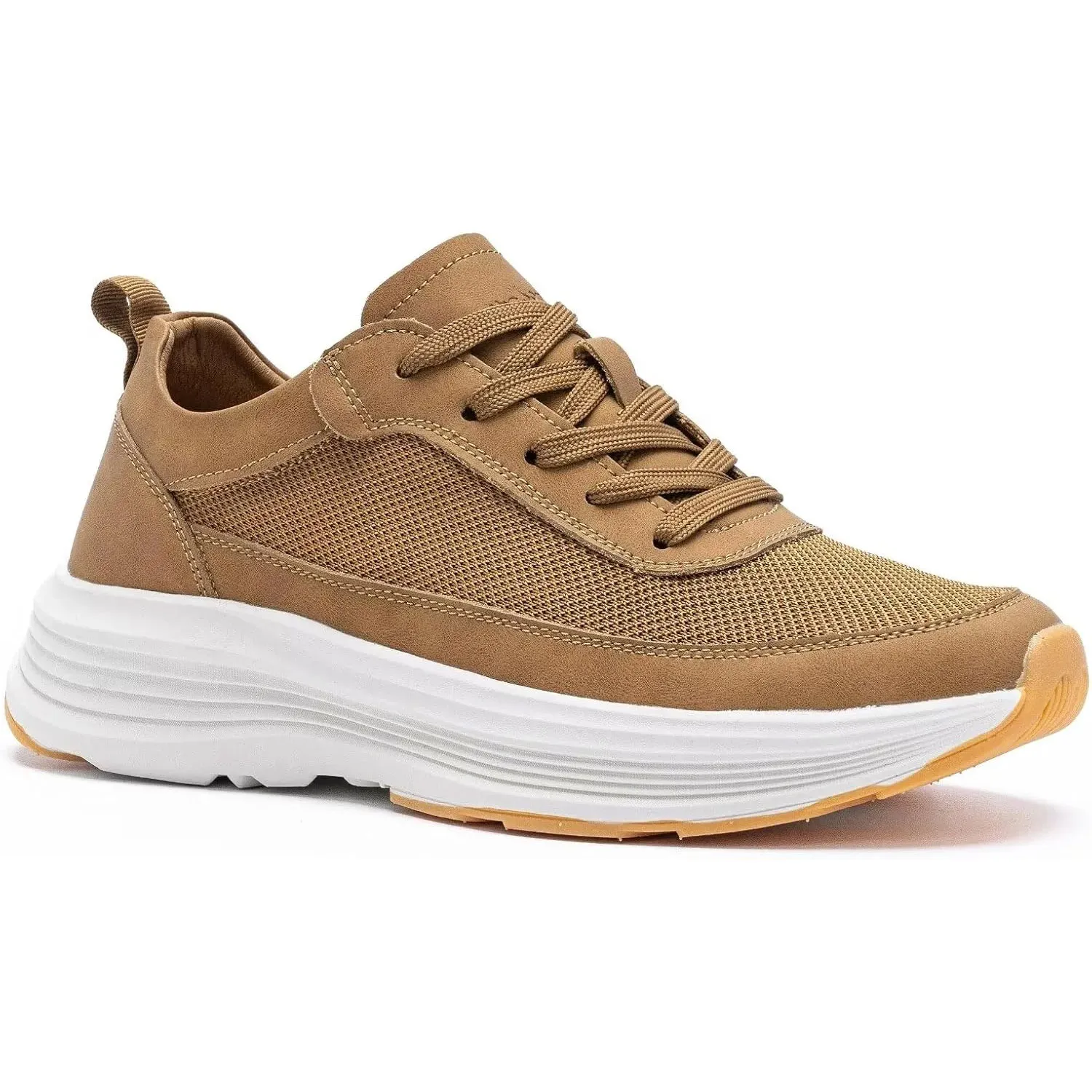
Not all casual sneakers are bad for foot health. Look for:
- Arch support and cushioned insoles
- Wide toe boxes to reduce pressure on toes
- Shock-absorbing soles
These are great for everyday wear while still maintaining fashionable looks.
Tips for Choosing Foot-Healthy Sneakers
1. Know your foot type – flat, neutral, or high-arched
2. Check for proper fit – toes should wiggle, heel snug
3. Replace worn-out sneakers – cushioning and support degrade over time
4. Prioritize function over fashion – but you can have both
